There are cities where the sea is the backdrop and cities where the sea is the reason they exist: the port decided their plan, their wealth and even their cooking. Five very different destinations, held together by that.
Hamburg: more bridges than Venice and Amsterdam combined
Hamburg is maritime Germany: the second port in Europe, the largest warehouse complex in the world in red brick, and a network of canals that gives it more bridges than Venice and Amsterdam put together.
The cheapest way to see the port is not a cruise: the public ferries leave from the Landungsbrücken piers and are part of urban transport. Line 62 does the round trip that tourists pay ten times over for.
Two things to eat that exist only here: the Franzbrötchen, a flattened cinnamon pastry, the local cousin of the croissant, which every bakery turns out from the morning; and Labskaus, the sailors' dish. Pink mash of salt beef, potato and beetroot, with a fried egg, rollmops and gherkins. It looks odd and is exactly what they ate on board.
Budget: €95-150 a day in mid-season.
Istanbul: two continents and a ferry that costs less than a coffee
Istanbul is the only metropolis in the world straddling two continents, and the right way to understand it is the intercontinental ferry, which costs less than a coffee and is public transport, not an excursion.
It is also the cheapest large destination on this list: €60-100 a day in mid-season. The best periods are April-May, with the tulip festival, and September-October.
Away from the great monuments: the Süleymaniye mosque, Sinan's masterpiece on the third hill, less crowded than the Blue Mosque and with a terrace over the Golden Horn; the districts of Balat and Fener, historically Greek and Jewish, UNESCO-protected, with coloured houses on climbing streets; and Kariye, the former monastery of St Saviour in Chora, which holds the most extraordinary Byzantine mosaics in the city after Hagia Sophia.
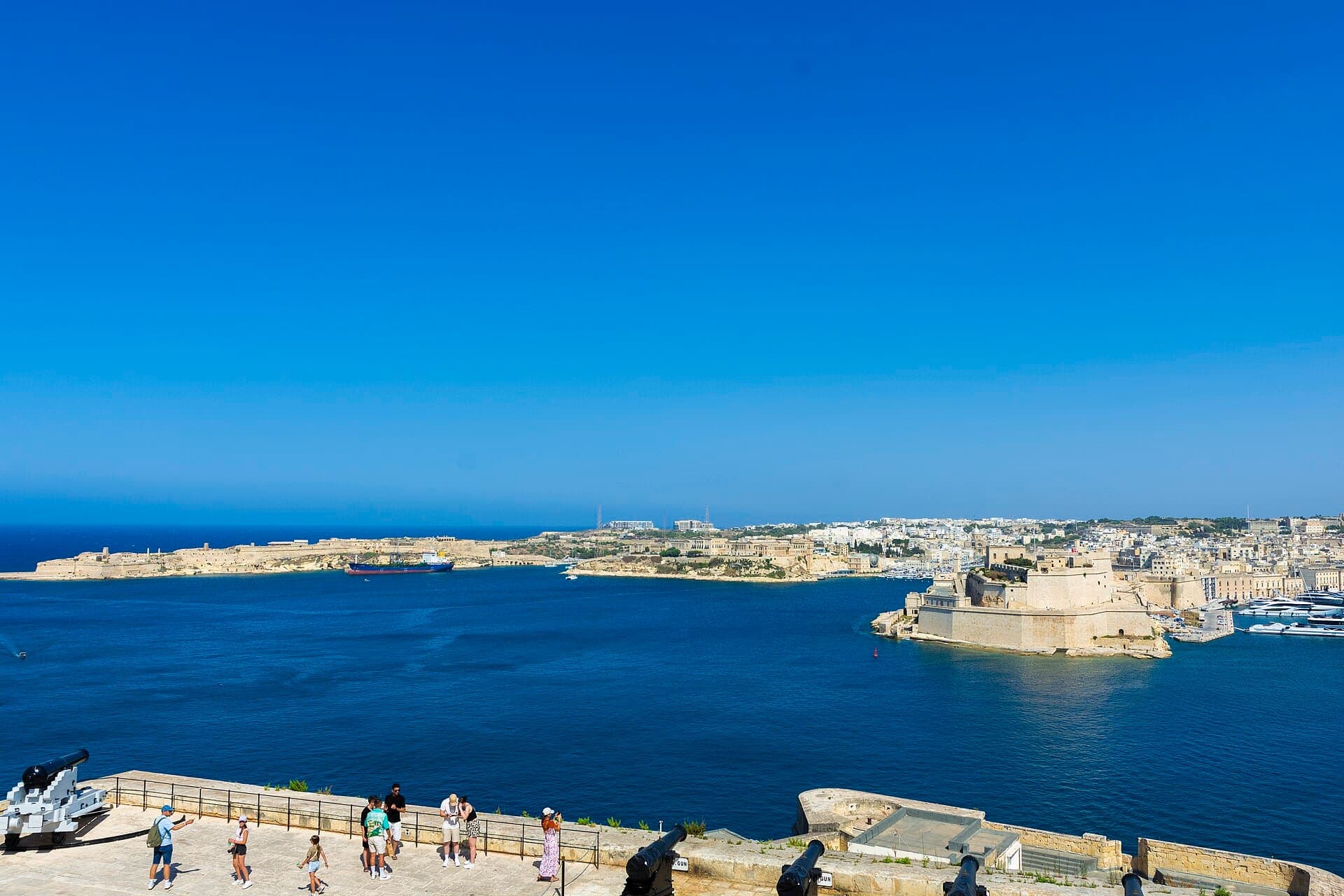
Valletta: a city built between two harbours
Valletta did not grow: it was designed all at once in 1566 as a fortified grid city, after the Great Siege had shown the Knights they needed a new capital. That is why the streets run straight and uphill, and the steps set into them are shallow: built that way so knights could climb them in armour.
The cheapest way to see the Grand Harbour is the ferry to the Three Cities: five minutes, €2 by day and €3.50 in the evening, and the crossing is the best view of the walls. Birgu, Senglea and Bormla are older than the capital and have almost no visitors.
A rule that surprises people: St John's Co-Cathedral is closed to visitors on Sundays, last admission is 4pm and buys 45 minutes, and stiletto heels are banned. You walk over four hundred inlaid marble tombstones.
Budget: €110-160 a day in mid-season, and in winter it is one of the mildest destinations in Europe.
Madeira: the ocean is the backdrop, the mountain is the trip
Madeira is not a conventional beach destination: it is a volcanic island where in an hour you go from cloud above 1,800 metres to lava pools on the ocean. The sea is there, but the mountain decides the day.
It costs €70-110 a day in mid-season, less than almost every island on this blog. The best periods are April-June and September-October for the trails; the Atlantic is warmer in late summer.
Three places: Câmara de Lobos, the fishing village Churchill painted in the 1950s, fifteen minutes by bus from Funchal; Curral das Freiras, the 'nuns' village' at the bottom of a crater valley ringed by vertical walls, where the sisters of Santa Clara sheltered from pirates; and Seixal, with its black volcanic sand between green cliffs and waterfalls dropping into the sea.
Lagos: the cliffs, and a history tourism skips
Lagos is the Algarve of golden cliffs and coves reached by wooden stairways, and costs €70-110 a day in mid-season. June and September give the sea at its best without the crowds and prices of July and August.
The least touristy thing here is also the most uncomfortable: the Mercado de Escravos, in the small building under the arcades of Praça Infante D. Henrique, where the museum tells the story of the first slave market in Europe, opened here in 1444, and Lagos's role in the trade. It is a part of the history of the Discoveries that the brochures do not mention.
For sea without crowds: Praia do Porto de Mós, longer and quieter than the famous coves, and the start of the clifftop path towards Praia da Luz.
In short
Hamburg and Valletta are two- or three-day cities, and in both the public ferry is the best thing a few euros can buy. Istanbul asks for at least four days and repays every hour. Madeira and Lagos are nature trips: the first for walking at altitude, the second for the coast. And in all five, the good season is the middle one: April-June or September-October.