Every European city has rules that residents know and tourists discover at fine time. These aren't urban legends: the ones below are all ordinances documented in VoyAVer dossiers, each with a source and a confidence level. And some are more recent (and stricter) than you'd imagine.
Swimwear stays on the beach
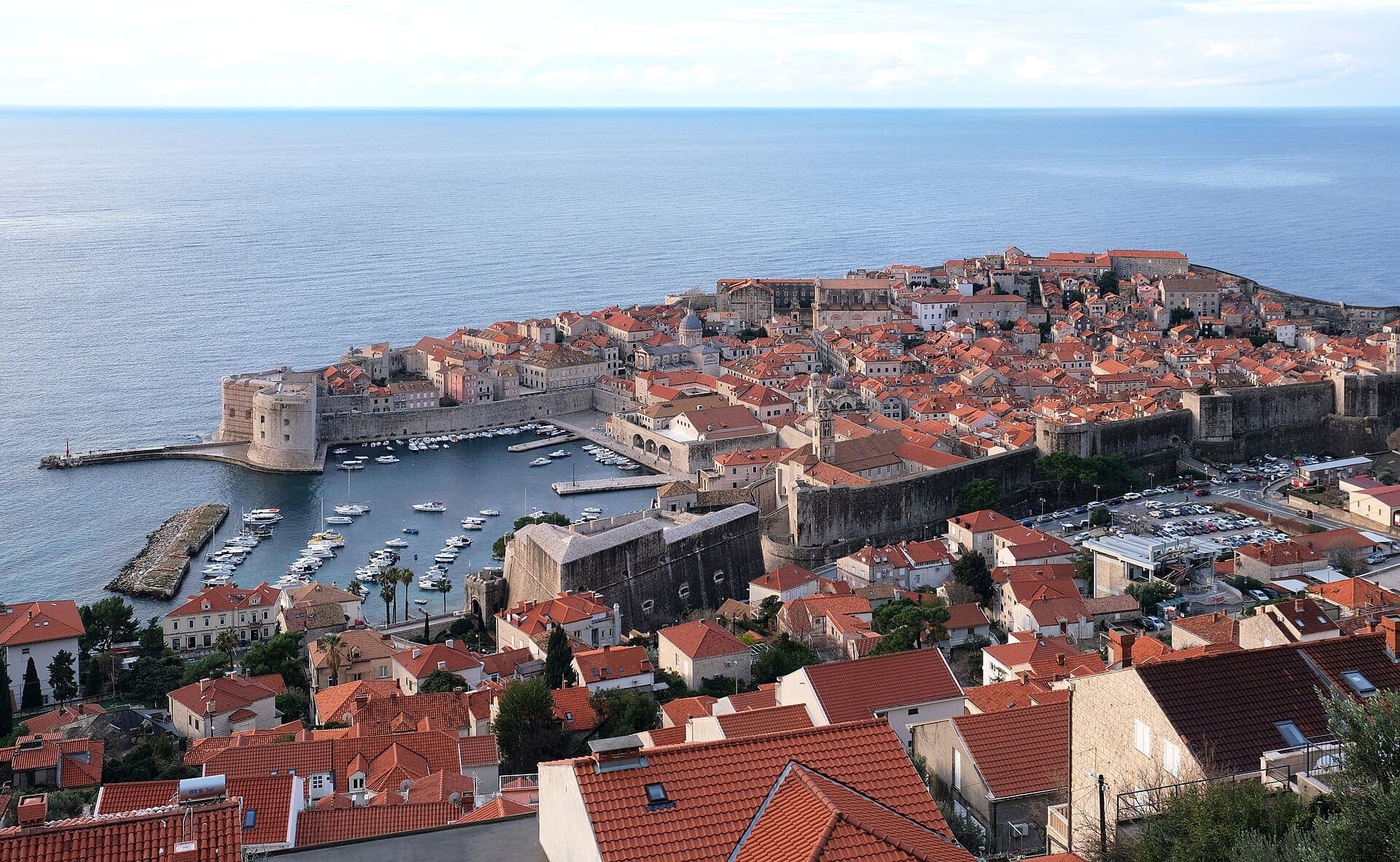
On the Adriatic coast and in Spain it's the rule that surprises people the most: in Dubrovnik the city's 'Respect the City' campaign bans walking through the old town in swimwear, shirtless or barefoot, and similar ordinances apply in Split. In Barcelona the civic ordinance bans moving through public spaces in swimwear or shirtless outside beach areas, and as of 2026 the ban has been reaffirmed and tightened.
Monuments: no sitting (and no picnics)
In Rome, sitting on the Spanish Steps costs fines from 250 to 400 euros, and the urban police regulations ban camping out and eating in the monumental areas of the center. Bathing or washing in monumental fountains is also forbidden: Trevi Fountain included, however cinematic the temptation.
Street drinking: tolerance has ended in many cities
In Madrid the botellón, group drinking in the street, carries fines up to 2,000 euros. In Barcelona, drinking alcohol outside licensed venues runs from 300 to 3,000 euros. And in Prague, organized night-time pub crawls have been banned since November 2024, enforced by the municipal police between 10pm and 6am.
The rules you don't expect
Some ordinances surprise even experienced travelers:
- In Amsterdam, smoking cannabis in the street in the historic center has been banned since 2023 (the 'blowverbod'), and photographing the windows of the Red Light District is strictly forbidden
- In Berlin, flying a drone near the government quarter (Reichstag, Brandenburg Gate) violates an absolute restriction zone, and e-scooters are subject to the same blood-alcohol limits as cars
- In Prague, crossing outside the stripes or on a red light means an on-the-spot fine: the checks are real, not theoretical
If you drive: restricted traffic and environmental zones
The priciest fines often arrive by car: Rome's historic-center ZTL is camera-enforced with precise hours, in Berlin the whole area inside the S-Bahn ring requires the green environmental sticker (Umweltplakette), and since 2025 Dubrovnik has a regulated traffic zone around the old town. If you're renting a car, the dossier's 'getting around' section tells you whether it's actually worth it.
Every VoyAVer dossier has a section dedicated to local laws, with the real risk (likely fine or rarely enforced rule), the details and the source. Five minutes of reading before you leave are worth more than any appeal afterwards.