Traveling in Europe on 50-60 euros a day (accommodation, meals and local transport included) is still possible, but not everywhere and not in any month. This ranking uses the daily budgets verified in VoyAVer dossiers, referring to low season, per person, flights excluded.
The Balkans: the €30-55 bracket
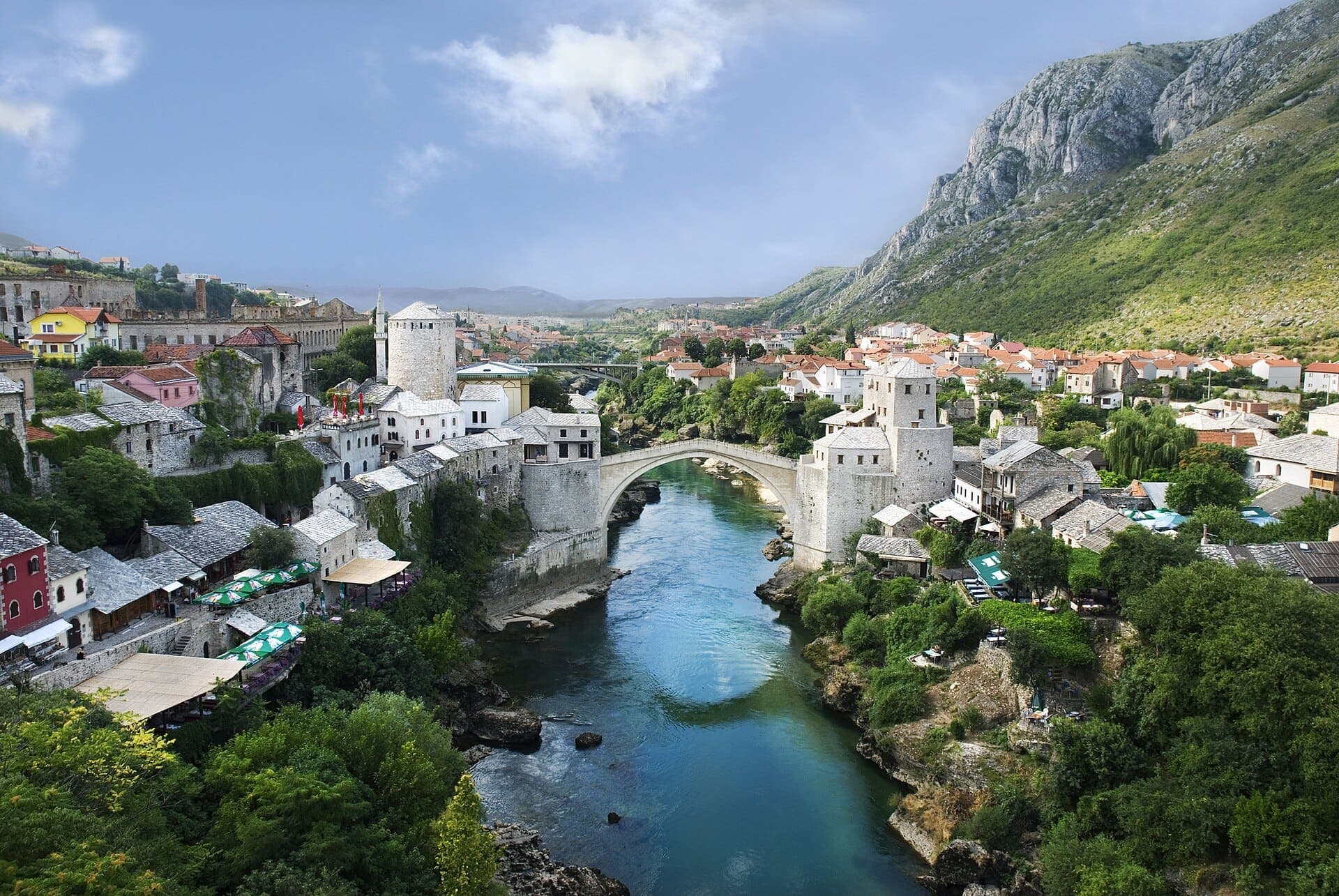
The bottom of the ranking, in the best sense, is all Balkan: in Ksamil, on the Albanian riviera, the verified budget starts at €30-45 a day between November and March; Sarajevo sits at €30-50, Mostar and Kotor at €35-55.
The trade-off worth stating: for seaside spots like Ksamil and Kotor, low season is winter, when the scenery remains spectacular but beach life is on hold. For cities like Sarajevo and Mostar, winter is a full season in every respect.
Central Europe: €35-75 and full urban life
Here the price-to-experience ratio is the strongest, because museums, cafés and neighborhood life know no season: Budapest and Warsaw start at €35-55 a day, Plovdiv, Europe's oldest continuously inhabited city, likewise, Prague at €40-60 and Krakow at €45-75. In the same bracket sits Sofia, at €40-70: since 1 January 2026 Bulgaria has paid in euros, and its capital remains the cheapest in the whole Union.
The surprises to the west and south
Below €65-70 you can also stay outside the East: Nerja, on the Andalusian coast, starts at €40-60 between November and February with a climate that stays mild; Athens, Porto and Polignano a Mare all sit in the €45-65 bracket in low season.
How to read these numbers
Three honest caveats, valid across the whole ranking:
- These are low-season budgets: the same destination in high season can cost twice as much (we wrote about it here)
- Flights are excluded, and for less-served destinations they can weigh more than the lodging: assess the total cost, not just the daily one
- The low end of the budget assumes hostels or guesthouses and local meals: comfortable if that's how you travel, tight if you want hotels and restaurants every night