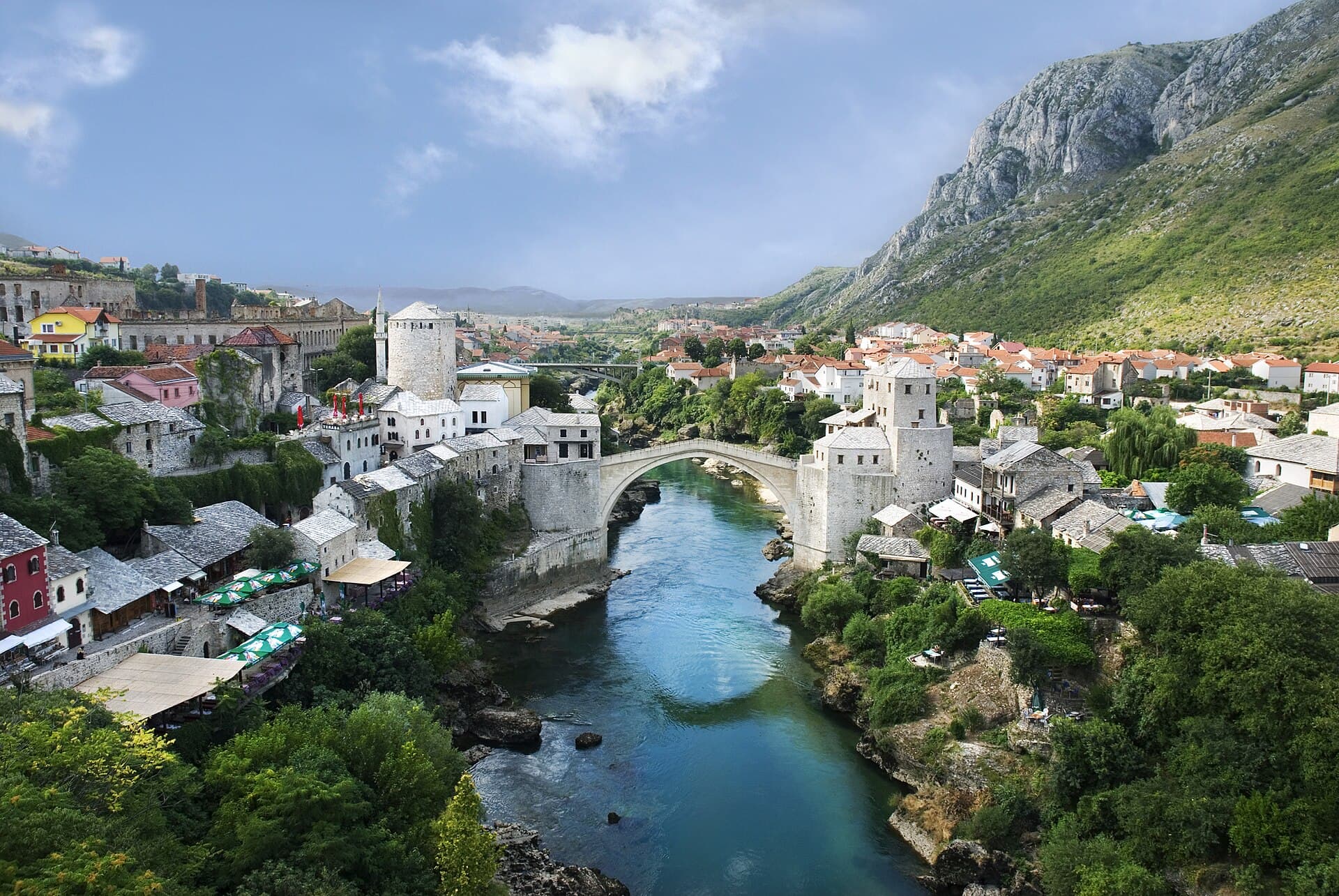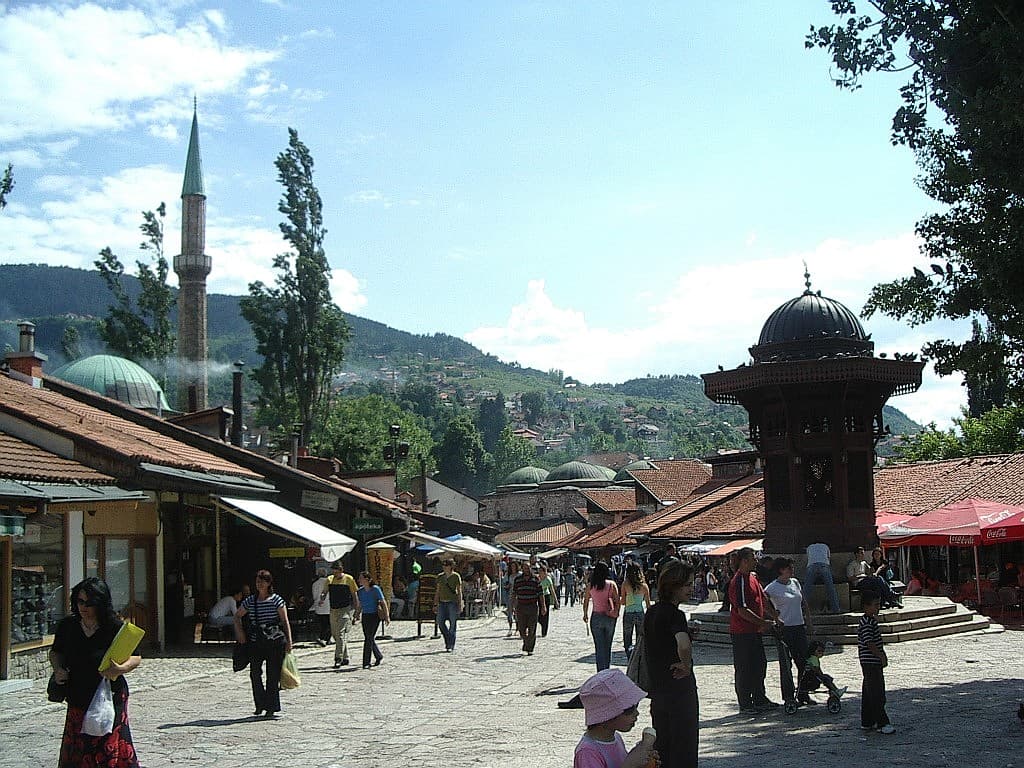
Sofia, Bulgaria
Photo: Plamen Agov (user:MrPanyGoff), Wikimedia Commons (CC BY-SA 4.0)
← All destinations

Sofia, Bulgaria

A capital you cross on foot in an hour, lining up in one neighbourhood a fourth-century Roman rotunda, an Ottoman mosque, a Sephardic synagogue and a gold-domed cathedral. Since 2026 it pays in euros, and it is still the EU capital where you spend the least.

✓ Sources verified by hand on 8 September 20268 sources cited

What to see

Monuments5

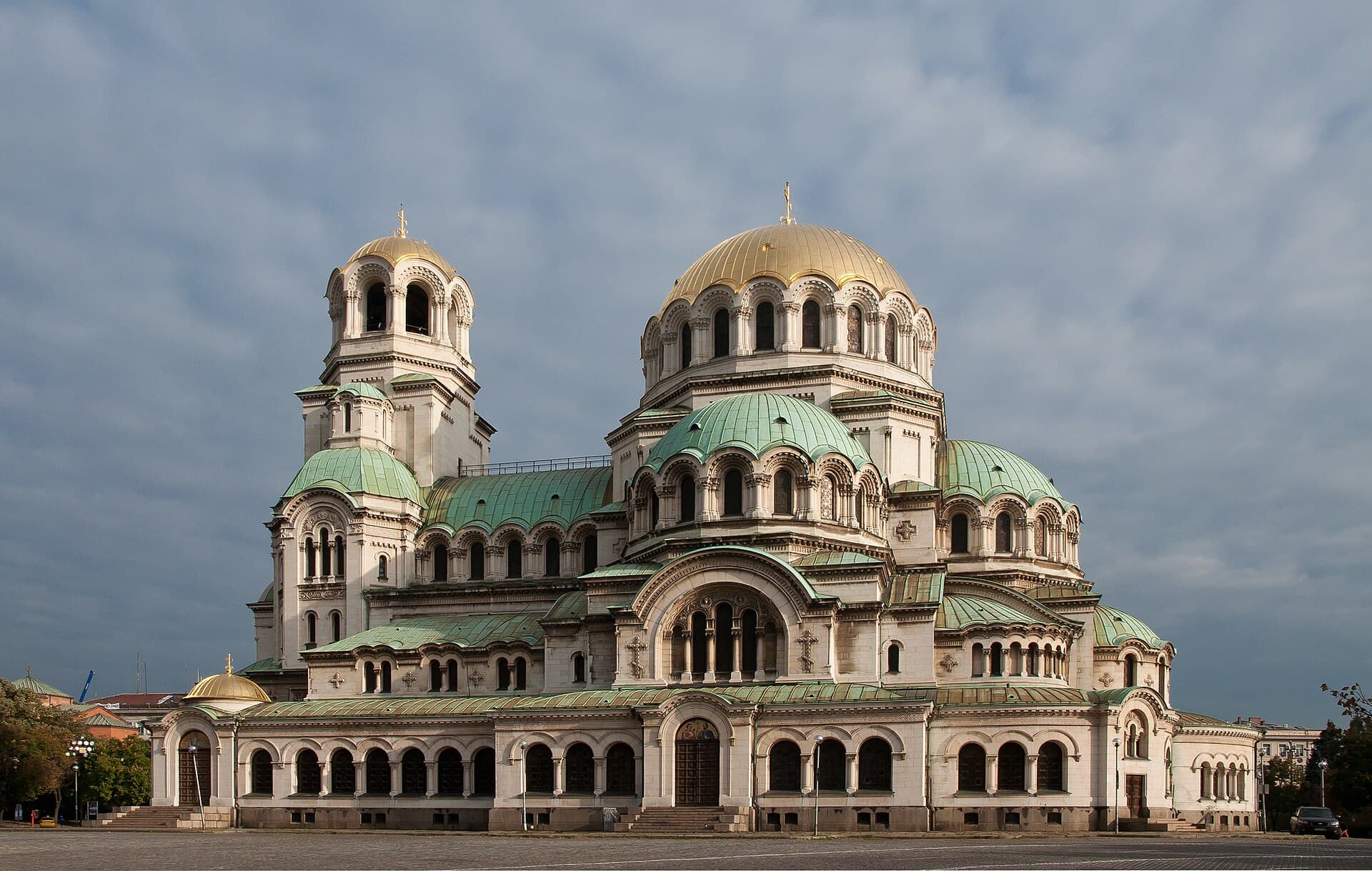
Alexander Nevsky Cathedral and the crypt

The neo-Byzantine cathedral with the gilded dome, consecrated in 1924, is open daily 7am-7pm and free to enter. The crypt, though, is a separate museum, the National Gallery's Museum of Christian Art, with its own ticket: 4.09 euros for adults, 2.05 reduced, dropping to 1.53 on Thursdays. Inside is one of the largest collections of Orthodox icons in Europe, and it is the part almost nobody sees because they stop at the church above.

Boyana Church

UNESCO-listed for its frescoes of 1259, which anticipate the Renaissance by almost a century. The access rules are strict and worth knowing in advance: a maximum of nine people at a time and ten minutes inside, which means slots and waits at weekends. Ticket 12 lev, that is 6.14 euros, reduced 3 lev for students, free on the last Monday of the month after 3pm. Open 9am-5.30pm in winter and 9.30am-6pm in summer, with the desk closing half an hour earlier.

The square of tolerance

Within three hundred metres of Sveta Nedelya square stand the Orthodox cathedral of Sveta Nedelya, the 16th-century Banya Bashi mosque still in use, the Sephardic synagogue of 1909 and the Catholic cathedral of St Joseph. All four take 90 minutes on foot, entry is free or by donation, and the mosque requires shoes off and shoulders covered. Next door is the covered market of 1911, the easiest place for a quick, cheap lunch.

Church of Sveta Sofia and the underground necropolis

The sixth-century brick basilica that gave the city its name, 2 minutes on foot from the Nevsky cathedral: above it is austere and almost bare, below lies the archaeological level with tombs, mosaics and the remains of earlier churches. The church above is free, the underground museum has its own ticket run by the regional history museum. On the roof outside burns the flame of the unknown soldier.

Rila Monastery

The most famous UNESCO monastery in the Balkans lies two and a half hours away, and it is a full-day trip. The direct public bus from Ovcha Kupel has not been reliable since 2020 and attempts to restart it were short-lived: today the dependable options are the daily shuttle with advance booking, around 30 euros, or the guided tour that adds Boyana at around 35. The monastery is open 7am-8pm and costs nothing; its internal museums charge a few lev and close at 4.30pm in winter.

Nature1

Mount Vitosha

Cherni Vrah reaches 2,290 metres and city buses get you there: the 66 climbs towards Aleko, the 61 to the Golden Bridges, the 64 to Boyana, at 0.80 euros a ride. What to know before setting off is that the Simeonovo and Dragalevtsi lifts are not running: in summer only the two Vitoshko Lale chairlifts operate, at weekends and in good weather. Anyone counting on the gondola to gain height will be walking.

Museums1

National History Museum

Housed in Todor Zhivkov's former residence at the foot of Vitosha, minutes from Boyana Church: the two are done in the same half-day and that is the only sensible way to organise them. Ticket 9 euros for adults, 2 euros for students and children, 3 euros for over 65s, 6 euros for groups of ten. Open daily with no closing day: 9.30am-7pm from April to September, 9.30am-6pm from October to March, with the ticket office closing forty-five minutes earlier.
Food3

Banitsa, mekitsi and the morning bread

Banitsa is the coiled filo pastry filled with sirene, the salty white cheese, and eggs: bought over the counter in bakeries and eaten standing, usually with boza, a dark fermented drink that divides even Bulgarians. Mekitsi are the fried yeast dough eaten at breakfast with yoghurt and jam. Neighbourhood bakeries open before 7.00 and that is where you find both: not in the restaurants in the centre.

Shopska, tarator and kavarma

Shopska is the national salad, tomato, cucumber, onion and a mountain of grated sirene on top, named after the shopi, the people of the Sofia region. Tarator is the cold soup of yoghurt, cucumber, garlic and dill, ordered as a starter in summer. Kavarma is the stew served in an earthenware pot. A full dinner in a neighbourhood mehana stays under 20 euros a head, wine included.

Rakia and Bulgarian wines

Rakia is drunk cold alongside the salad, at the start of the meal and not the end: ordering it as a digestif is the mistake that marks you out as a foreigner instantly. It is a grape or plum spirit at 40 to 50 per cent. On wine, Bulgaria has native grapes found nowhere else: mavrud, dark and tannic, and rubin. In the wine shops in the centre a producer's bottle often stays under 10 euros, what a glass costs in western Europe.

Other2

Battenberg Square and the changing of the guard

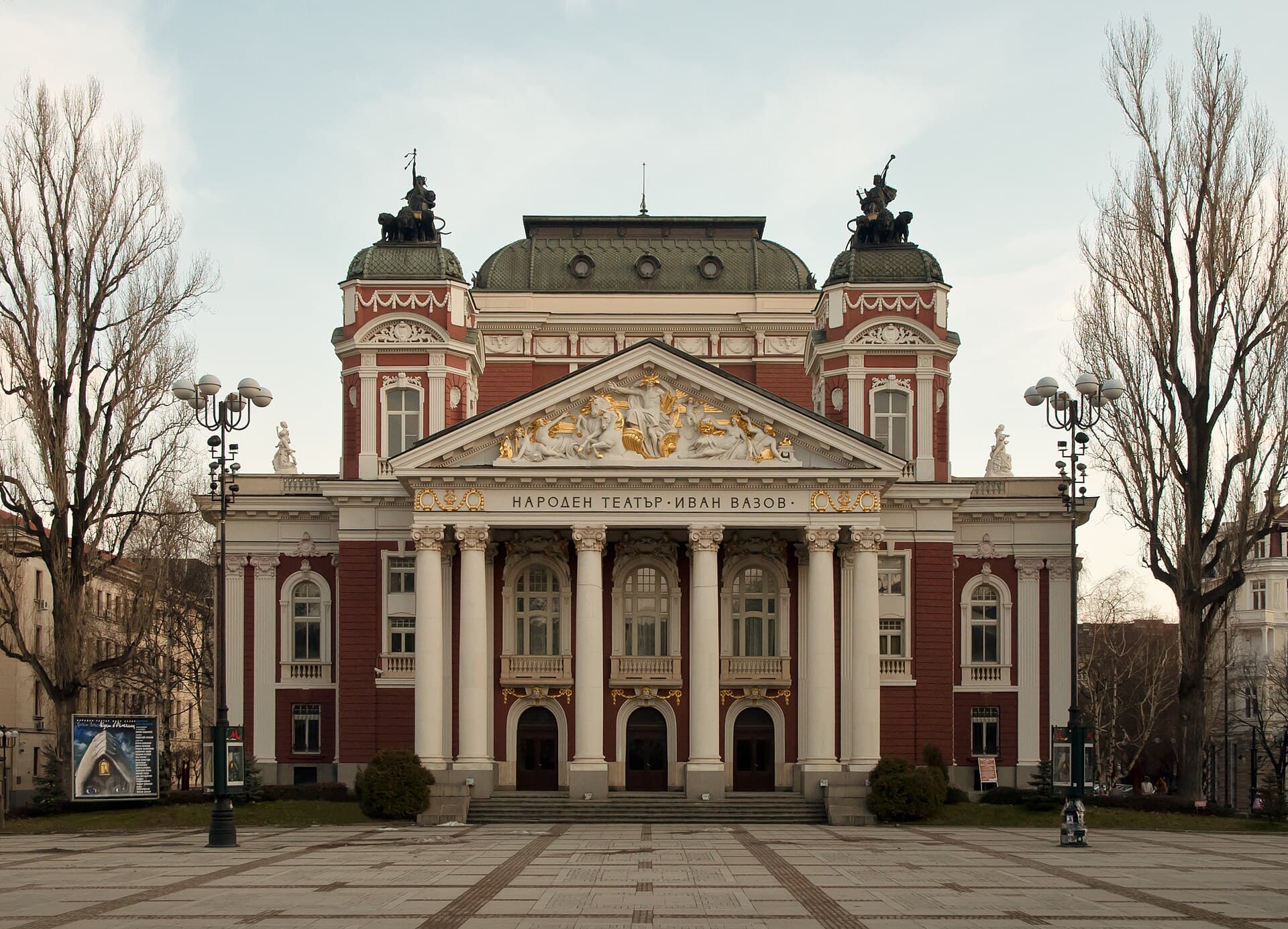
The front of the Presidency, 10 minutes on foot from the Nevsky cathedral, is manned by the honour guard in historic uniform, changing at regular intervals through the day, but the ceremonial version with a band takes place on the first Wednesday of each month. Around it stand the royal palace housing the National Gallery, the red and white Ivan Vazov theatre and the City Garden, where in summer people play chess at public tables.

Vitosha Boulevard and Borisova gradina

The pedestrian boulevard in the centre runs about 1 km and points straight at the mountain, which closes the view at the far end: it is where people stroll, drink and eat, and also where prices sit above the city average. At its end begins Borisova gradina park, a hundred hectares with lakes, the old stadium and Soviet monuments left among the trees: it is free and locals spend their Sundays there.

✦ Hidden gems · off the standard guides

Rotunda of St George

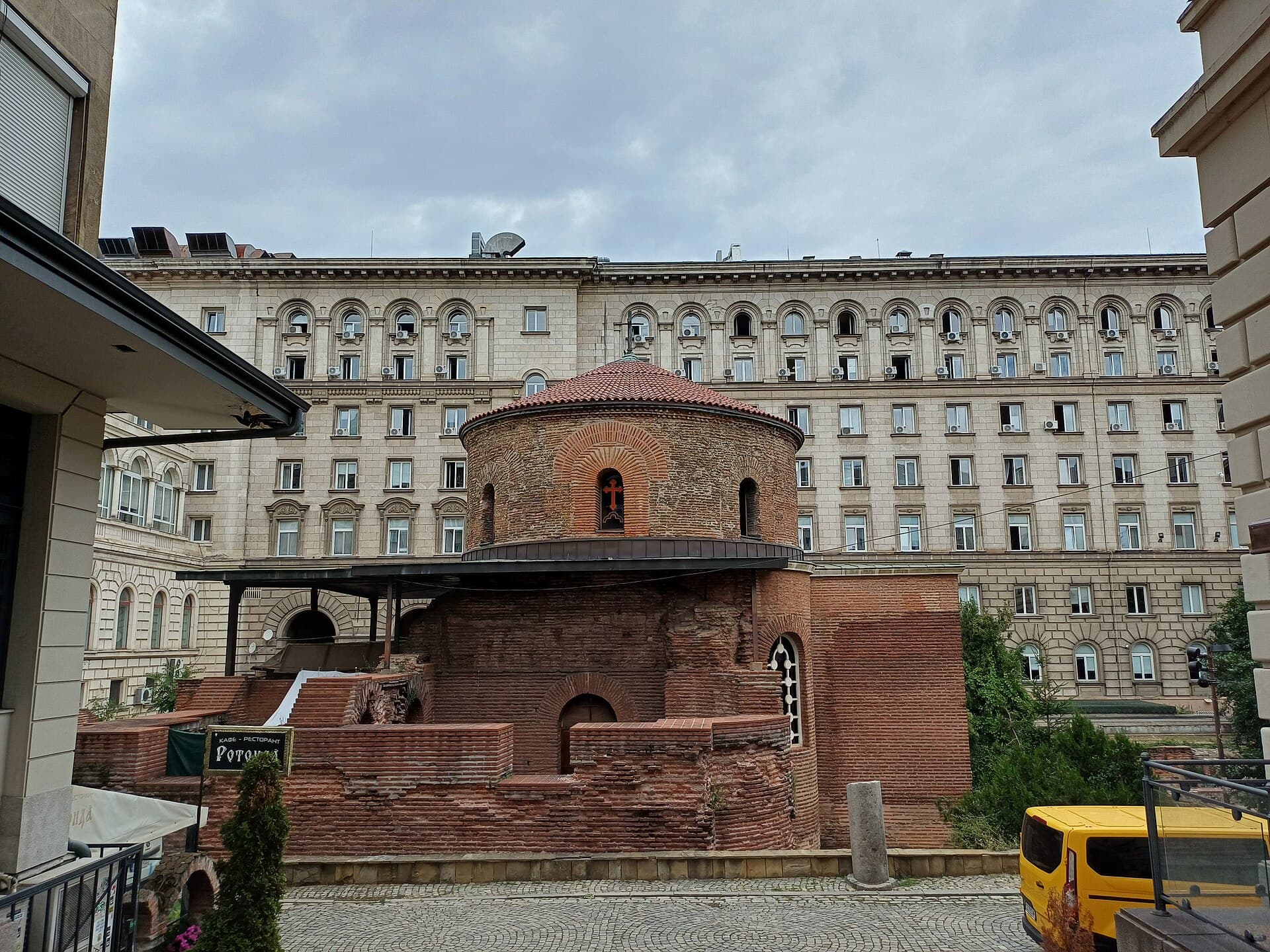
The oldest building in Sofia, a fourth-century brick rotunda with layers of frescoes from the tenth to the fourteenth century. The point is that you cannot see it from the street: it is hidden in a courtyard ringed by the Presidency buildings and the Balkan hotel, 5 minutes' walk from Sveta Nedelya square, reached through an arched passage. Entry is free, it is still a working church and morning mass is open to anyone.

Serdica archaeological complex

The paved streets, baths and Roman houses uncovered during the metro works were left below street level and covered with a glass structure: you cross them free in 5 minutes passing from the Serdica metro station towards the Largo. It is not a museum with hours and a ticket but a pedestrian passage, so you can walk it at any time, and in winter it is also the warmest way to cross the centre.

Central Mineral Baths and the thermal fountains

The neo-Byzantine building from 1913 now houses the Sofia History Museum, open Tuesday to Sunday and closed on Mondays. The thing you see for free, and that almost no visitor notices, is outside: on the side of the square, 5 minutes' walk from the mosque, are public fountains delivering hot mineral water, and locals turn up with containers to fill. They are open to anyone, the water comes out at around forty degrees and it is drinkable.

Zhenski Pazar, the women's market

The largest open-air market in the city, 10 minutes on foot from the mosque: vegetables, cheeses, spices, pickles and Turkish and Roma stalls, in a district no tour crosses. Prices are the city's real ones rather than the centre's, and there is little haggling because the goods are cheap already. It is the place to buy lyutenitsa, sirene cheese and local honey.

Sample itineraries

Three routes for different travel styles, built only from this dossier's verified places. Realistic pace: 2-3 stops a day.

First time

2 days

The landmark sights, at the right pace.

Day 1

  • Alexander Nevsky Cathedral and the crypt

    The neo-Byzantine cathedral with the gilded dome, consecrated in 1924, is open daily 7am-7pm and free to enter. The crypt, though, is a separate museum, the National Gallery's Museum of Christian Art, with its own ticket: 4.09 euros for adults, 2.05 reduced, dropping to 1.53 on Thursdays. Inside is one of the largest collections of Orthodox icons in Europe, and it is the part almost nobody sees because they stop at the church above.

  • Boyana Church

    UNESCO-listed for its frescoes of 1259, which anticipate the Renaissance by almost a century. The access rules are strict and worth knowing in advance: a maximum of nine people at a time and ten minutes inside, which means slots and waits at weekends. Ticket 12 lev, that is 6.14 euros, reduced 3 lev for students, free on the last Monday of the month after 3pm. Open 9am-5.30pm in winter and 9.30am-6pm in summer, with the desk closing half an hour earlier.

  • The square of tolerance

    Within three hundred metres of Sveta Nedelya square stand the Orthodox cathedral of Sveta Nedelya, the 16th-century Banya Bashi mosque still in use, the Sephardic synagogue of 1909 and the Catholic cathedral of St Joseph. All four take 90 minutes on foot, entry is free or by donation, and the mosque requires shoes off and shoulders covered. Next door is the covered market of 1911, the easiest place for a quick, cheap lunch.

Day 2

  • Church of Sveta Sofia and the underground necropolis

    The sixth-century brick basilica that gave the city its name, 2 minutes on foot from the Nevsky cathedral: above it is austere and almost bare, below lies the archaeological level with tombs, mosaics and the remains of earlier churches. The church above is free, the underground museum has its own ticket run by the regional history museum. On the roof outside burns the flame of the unknown soldier.

  • Rila Monastery

    The most famous UNESCO monastery in the Balkans lies two and a half hours away, and it is a full-day trip. The direct public bus from Ovcha Kupel has not been reliable since 2020 and attempts to restart it were short-lived: today the dependable options are the daily shuttle with advance booking, around 30 euros, or the guided tour that adds Boyana at around 35. The monastery is open 7am-8pm and costs nothing; its internal museums charge a few lev and close at 4.30pm in winter.

  • National History Museum

    Housed in Todor Zhivkov's former residence at the foot of Vitosha, minutes from Boyana Church: the two are done in the same half-day and that is the only sensible way to organise them. Ticket 9 euros for adults, 2 euros for students and children, 3 euros for over 65s, 6 euros for groups of ten. Open daily with no closing day: 9.30am-7pm from April to September, 9.30am-6pm from October to March, with the ticket office closing forty-five minutes earlier.
Off the beaten path

2 days

Hidden gems away from the usual circuits.

Day 1

  • Rotunda of St Georgehidden gem

    The oldest building in Sofia, a fourth-century brick rotunda with layers of frescoes from the tenth to the fourteenth century. The point is that you cannot see it from the street: it is hidden in a courtyard ringed by the Presidency buildings and the Balkan hotel, 5 minutes' walk from Sveta Nedelya square, reached through an arched passage. Entry is free, it is still a working church and morning mass is open to anyone.

  • Serdica archaeological complexhidden gem

    The paved streets, baths and Roman houses uncovered during the metro works were left below street level and covered with a glass structure: you cross them free in 5 minutes passing from the Serdica metro station towards the Largo. It is not a museum with hours and a ticket but a pedestrian passage, so you can walk it at any time, and in winter it is also the warmest way to cross the centre.

  • Central Mineral Baths and the thermal fountainshidden gem

    The neo-Byzantine building from 1913 now houses the Sofia History Museum, open Tuesday to Sunday and closed on Mondays. The thing you see for free, and that almost no visitor notices, is outside: on the side of the square, 5 minutes' walk from the mosque, are public fountains delivering hot mineral water, and locals turn up with containers to fill. They are open to anyone, the water comes out at around forty degrees and it is drinkable.

Day 2

  • Zhenski Pazar, the women's markethidden gem

    The largest open-air market in the city, 10 minutes on foot from the mosque: vegetables, cheeses, spices, pickles and Turkish and Roma stalls, in a district no tour crosses. Prices are the city's real ones rather than the centre's, and there is little haggling because the goods are cheap already. It is the place to buy lyutenitsa, sirene cheese and local honey.

  • Mount Vitosha

    Cherni Vrah reaches 2,290 metres and city buses get you there: the 66 climbs towards Aleko, the 61 to the Golden Bridges, the 64 to Boyana, at 0.80 euros a ride. What to know before setting off is that the Simeonovo and Dragalevtsi lifts are not running: in summer only the two Vitoshko Lale chairlifts operate, at weekends and in good weather. Anyone counting on the gondola to gain height will be walking.

Food & markets

2 days

Eat and drink where locals actually go.

Day 1

  • Banitsa, mekitsi and the morning bread

    Banitsa is the coiled filo pastry filled with sirene, the salty white cheese, and eggs: bought over the counter in bakeries and eaten standing, usually with boza, a dark fermented drink that divides even Bulgarians. Mekitsi are the fried yeast dough eaten at breakfast with yoghurt and jam. Neighbourhood bakeries open before 7.00 and that is where you find both: not in the restaurants in the centre.

  • Shopska, tarator and kavarma

    Shopska is the national salad, tomato, cucumber, onion and a mountain of grated sirene on top, named after the shopi, the people of the Sofia region. Tarator is the cold soup of yoghurt, cucumber, garlic and dill, ordered as a starter in summer. Kavarma is the stew served in an earthenware pot. A full dinner in a neighbourhood mehana stays under 20 euros a head, wine included.

Day 2

  • Rakia and Bulgarian wines

    Rakia is drunk cold alongside the salad, at the start of the meal and not the end: ordering it as a digestif is the mistake that marks you out as a foreigner instantly. It is a grape or plum spirit at 40 to 50 per cent. On wine, Bulgaria has native grapes found nowhere else: mavrud, dark and tannic, and rubin. In the wine shops in the centre a producer's bottle often stays under 10 euros, what a glass costs in western Europe.

  • Zhenski Pazar, the women's markethidden gem

    The largest open-air market in the city, 10 minutes on foot from the mosque: vegetables, cheeses, spices, pickles and Turkish and Roma stalls, in a district no tour crosses. Prices are the city's real ones rather than the centre's, and there is little haggling because the goods are cheap already. It is the place to buy lyutenitsa, sirene cheese and local honey.

🧭

Build your itinerary

Tell us how many days you're staying and in which month: we'll compose an itinerary from this dossier's verified places, with notes about the period.

Your itinerary

1

Day 1

  • Alexander Nevsky Cathedral and the crypt

    The neo-Byzantine cathedral with the gilded dome, consecrated in 1924, is open daily 7am-7pm and free to enter. The crypt, though, is a separate museum, the National Gallery's Museum of Christian Art, with its own ticket: 4.09 euros for adults, 2.05 reduced, dropping to 1.53 on Thursdays. Inside is one of the largest collections of Orthodox icons in Europe, and it is the part almost nobody sees because they stop at the church above.

  • Boyana Church

    UNESCO-listed for its frescoes of 1259, which anticipate the Renaissance by almost a century. The access rules are strict and worth knowing in advance: a maximum of nine people at a time and ten minutes inside, which means slots and waits at weekends. Ticket 12 lev, that is 6.14 euros, reduced 3 lev for students, free on the last Monday of the month after 3pm. Open 9am-5.30pm in winter and 9.30am-6pm in summer, with the desk closing half an hour earlier.

  • Banitsa, mekitsi and the morning bread

    Banitsa is the coiled filo pastry filled with sirene, the salty white cheese, and eggs: bought over the counter in bakeries and eaten standing, usually with boza, a dark fermented drink that divides even Bulgarians. Mekitsi are the fried yeast dough eaten at breakfast with yoghurt and jam. Neighbourhood bakeries open before 7.00 and that is where you find both: not in the restaurants in the centre.

2

Day 2

  • The square of tolerance

    Within three hundred metres of Sveta Nedelya square stand the Orthodox cathedral of Sveta Nedelya, the 16th-century Banya Bashi mosque still in use, the Sephardic synagogue of 1909 and the Catholic cathedral of St Joseph. All four take 90 minutes on foot, entry is free or by donation, and the mosque requires shoes off and shoulders covered. Next door is the covered market of 1911, the easiest place for a quick, cheap lunch.

  • Church of Sveta Sofia and the underground necropolis

    The sixth-century brick basilica that gave the city its name, 2 minutes on foot from the Nevsky cathedral: above it is austere and almost bare, below lies the archaeological level with tombs, mosaics and the remains of earlier churches. The church above is free, the underground museum has its own ticket run by the regional history museum. On the roof outside burns the flame of the unknown soldier.

  • Shopska, tarator and kavarma

    Shopska is the national salad, tomato, cucumber, onion and a mountain of grated sirene on top, named after the shopi, the people of the Sofia region. Tarator is the cold soup of yoghurt, cucumber, garlic and dill, ordered as a starter in summer. Kavarma is the stew served in an earthenware pot. A full dinner in a neighbourhood mehana stays under 20 euros a head, wine included.

3

Day 3

  • Rila Monastery

    The most famous UNESCO monastery in the Balkans lies two and a half hours away, and it is a full-day trip. The direct public bus from Ovcha Kupel has not been reliable since 2020 and attempts to restart it were short-lived: today the dependable options are the daily shuttle with advance booking, around 30 euros, or the guided tour that adds Boyana at around 35. The monastery is open 7am-8pm and costs nothing; its internal museums charge a few lev and close at 4.30pm in winter.

  • National History Museum

    Housed in Todor Zhivkov's former residence at the foot of Vitosha, minutes from Boyana Church: the two are done in the same half-day and that is the only sensible way to organise them. Ticket 9 euros for adults, 2 euros for students and children, 3 euros for over 65s, 6 euros for groups of ten. Open daily with no closing day: 9.30am-7pm from April to September, 9.30am-6pm from October to March, with the ticket office closing forty-five minutes earlier.
  • Rakia and Bulgarian wines

    Rakia is drunk cold alongside the salad, at the start of the meal and not the end: ordering it as a digestif is the mistake that marks you out as a foreigner instantly. It is a grape or plum spirit at 40 to 50 per cent. On wine, Bulgaria has native grapes found nowhere else: mavrud, dark and tannic, and rubin. In the wine shops in the centre a producer's bottle often stays under 10 euros, what a glass costs in western Europe.

Want an itinerary tailored to your dates in Sofia?

Travel dates, where you stay and the kind of trip: we tailor this same verified dossier to your exact needs.

Coming soon
The fourth-century Rotunda of St George, enclosed in the courtyard of the Presidency buildings: invisible from the street.
The fourth-century Rotunda of St George, enclosed in the courtyard of the Presidency buildings: invisible from the street.Photo: Radosław Botev, Wikimedia Commons (CC BY 3.0 pl)

Before you go

Recurring scams and local rules worth knowing before you arrive.

⚠ Scams to know

Unlicensed taxis from the airport

verified

The British authorities report an increase in unlicensed taxis from Sofia airport charging inflated fares. The classic mechanism is a price-per-kilometre sticker written to mislead, for instance 5.20 printed as 05.2 so it reads as 0.52, plus names and logos imitating the authorised company's.

How to avoid it: Use the official taxi desk at the airport, or better still take the M4 metro at 0.80 euros. If you take a taxi in town, look at the fare sticker on the window and insist on the meter.

Source

The so-called gentlemen's clubs in the centre

verified

This is the most expensive scam reported by consular authorities in Sofia: bills inflated into the hundreds of euros, with threats of violence against anyone refusing to pay. It works on people brought in by a tout or an obliging taxi driver.

How to avoid it: Do not follow anyone who approaches you in the street or outside a bar, and ask your accommodation for recommendations. If you end up inside and the bill is absurd, call the police rather than negotiate.

Source

Prices still being reckoned in lev

verified

Bulgaria switched to the euro on 1 January 2026 and the obligation to display prices in both currencies ended on 8 August that year. Out-of-date guides, blogs and price lists still quote figures in lev, and anyone converting in their head with the wrong rate convinces themselves they have been cheated when they have not.

How to avoid it: Remember the fixed rate: 1.95583 lev to the euro, so just under two. If a price looks double what you had read, it is nearly always the same figure read in the wrong currency.

Source

Pickpocketing on Vitosha Boulevard, in the metro and at the markets

medium confidence

As in any capital, the contact points are crowded metro carriages at peak times, the central pedestrian promenade and markets such as Zhenski Pazar. It is not a personal safety problem, it is a pocket problem.

How to avoid it: Wallet in an inside pocket, backpack on your front in the metro, phone off the table. Card transactions should be completed in front of you, without letting the card out of sight.

Source

Taking free walking tours literally

low confidence

The free tours of the centre are a good way to get oriented, but the business model rests on the tip collected at the end and the social pressure to give is real, with expected amounts in the order of ten euros a head. It is not a swindle, it is how the format works: calling it free is simply inaccurate.

How to avoid it: Go by all means, but budget for it as a pay-what-you-want guided tour and bring small notes. If you would rather not pay, the same walk works solo: the historic centre fits into a single square kilometre.

Source

⚖ Laws & penalties

You must carry identification at all times

medium riskverified

In Bulgaria the police may ask for identification at any moment and it has to be produced: British consular guidance indicates that carrying a printed copy of your passport photo page is acceptable rather than the original. Walking around with nothing at all risks being detained for identification.

Source

Niqab and burqa are banned in public

medium riskverified

Bulgarian law prohibits wearing clothing in public that fully covers the face: the ban has been in force for years and is enforced. It does not cover head coverings that leave the face visible, which are ordinary in a city with a working mosque in the centre.

Source

Drug offences are punished severely

high riskverified

Bulgaria treats possession and trafficking of narcotics with long custodial sentences and heavy fines, including for quantities that would count as personal elsewhere. Tolerance is nil and applies to any substance, cannabis derivatives included.

Source

Boyana Church admits nine people at a time for ten minutes

low riskverified

This is not a matter of manners but a conservation rule enforced by staff: the 1259 frescoes are sensitive to humidity and body heat, so no more than nine people are inside and no longer than ten minutes. Organised groups may enter only with a reservation and within defined time bands, while the rest of the day is reserved for individual visitors and groups of up to five.

Source

The currency is the euro and the lev is no longer legal tender

low riskverified

From 1 January 2026 Bulgaria adopted the euro at the fixed and irrevocable rate of 1.95583 lev, with a month of dual circulation during which you could pay in lev and receive change in euros. Since 1 February lev notes are no longer legal tender and have to be exchanged at a bank. The obligation to display prices in both currencies ended on 8 August that year.

Source
The Ivan Vazov national theatre and the City Garden: the open-air drawing room of central Sofia.
The Ivan Vazov national theatre and the City Garden: the open-air drawing room of central Sofia.Photo: Plamen Agov (user:MrPanyGoff), Wikimedia Commons (CC BY-SA 3.0)

Recurring events

Hover over a month on the timeline for details.

Budget & timing

Average daily cost

Season low (November-March)40-70€
Season mid (April-May, October)55-95€
Season high (June-September)75-130€

Rough estimate (lodging + meals + local transport), not a precise verified source.

Best time by type of trip

City and mountain together · May-June, September

Twenty to twenty-five degrees, clean air, Vitosha paths walkable without equipment and days long enough to add Rila or Plovdiv. It is also when accommodation prices stay low.

Snow and skiing · December-March

Vitosha is skied half an hour from the centre on a city bus and Bansko is two and a half hours away: the cheapest capital-plus-mountain combination in Europe. Allow for the dry cold, the short days and the winter pollution on windless days.

Festivals and summer in the city · July-August

It is hot, but the city stays alive thanks to the open-air festivals, and Vitosha offers ten degrees less half an hour away. Hotels in these months are no dearer than in spring, because Sofia loses visitors in summer to the Black Sea coast.

Did you know... Within three hundred metres of Sveta Nedelya square stand an Orthodox cathedral, an Ottoman mosque still in use, one of the largest Sephardic synagogues in Europe and a Catholic church: locals call that junction the square of tolerance.

Getting around

Car recommended: No. Central Sofia is crossed on foot in twenty minutes and the metro covers the airport and the outskirts: a car is only useful for Rila or the more isolated monasteries, and even there an organised shuttle costs less than a rental. In the city the traffic is heavy and central parking is all charged and zoned.

The metro has four lines and the M4 links the airport to the centre in about twenty minutes. A single ticket costs 0.80 euros, one with transfers within 30 minutes also 0.80, one for 60 minutes 1.10; a day card costs 2 euros, a 24-hour card including night services 3 euros and a 72-hour card 7.60. They are bought at station desks and machines, or loaded onto electronic cards. The same tickets work on trams, trolleybuses and buses, including those that climb Vitosha.

  • From the airport take the M4 metro: 0.80 euros and twenty minutes to the centre, which removes the unlicensed taxi problem in one move.
  • The 3-euro 24-hour card also covers night services and pays for itself in four rides: doing Boyana and Vitosha the same day makes it worthwhile at once.
  • For Vitosha you want bus 66 (Aleko), 61 (Golden Bridges) or 64 (Boyana): the Simeonovo and Dragalevtsi lifts are not running, so height has to be earned on foot.
  • The Roman Serdica complex is crossed free by passing through the metro station: it is a pedestrian shortcut rather than a visit to schedule.

Safety

Areas to avoid

  • Sofia is a calm capital and the centre is safe in the evening too. The areas to be more careful in are around the central railway and bus stations at night, and some outer districts there is no reason to visit anyway.
  • On Vitosha the risk is not criminal but alpine: fog rises quickly, the paths above 1,800 metres are exposed and winter needs equipment and experience. Anyone going up by bus in city shoes stops at the lower clearings.
  • From November to February Sofia has serious winter air pollution, caused by domestic heating and the basin the city sits in: on windless days it is worth checking the air quality index before planning a day outdoors.
  • There are still stray dogs in the outer districts and on the Vitosha paths: almost always indifferent, but better not to approach them or run.
  • The pavements in the centre are uneven and icy in winter, with irregular slabs and manholes: falls are the commonest injury among visitors.
  • Single emergency number: 112.

Did you know... Mount Vitosha reaches 2,290 metres and begins inside the city limits: very few European capitals have a two-thousand-metre mountain reachable on a city bus costing under a euro.

Sources

Every source below was opened and checked by hand, not just cited. Entries that didn't hold up were downgraded to "low confidence" or dropped, not presented as certain.

Related destinations

Other dossiers close by country, area or kind of trip.