Seville is the natural gateway to Andalusia, but stopping there means missing the best of the region: four cities within reasonable distance make up an itinerary that holds together Moorish architecture, neighborhood life and the sea. Every stop is covered by a verified dossier, hidden gems included.
Seville: start from Triana, not the cathedral
The cathedral and the Alcázar of Seville are unmissable, but the antidote to the crowds lies across the river: the barrio de Triana, cradle of flamenco and ceramics, where the city is lived rather than visited. A little further north, the Macarena basilica with its golden altar is the authentic heart of Seville's Semana Santa. Verified mid-season budget: €65-95 a day.
Córdoba: the Mezquita and the patios
The Mezquita, a forest of 850 columns with a cathedral set inside it, justifies the stop in Córdoba on its own. The verified gems are two: the Calleja de las Flores photographed early in the morning, before the groups, and the private patios brimming with flowers (in May, during the festival, many open to the public). Outside the city, the ruins of the palace-city of Medina Azahara, a UNESCO site often skipped by tours.
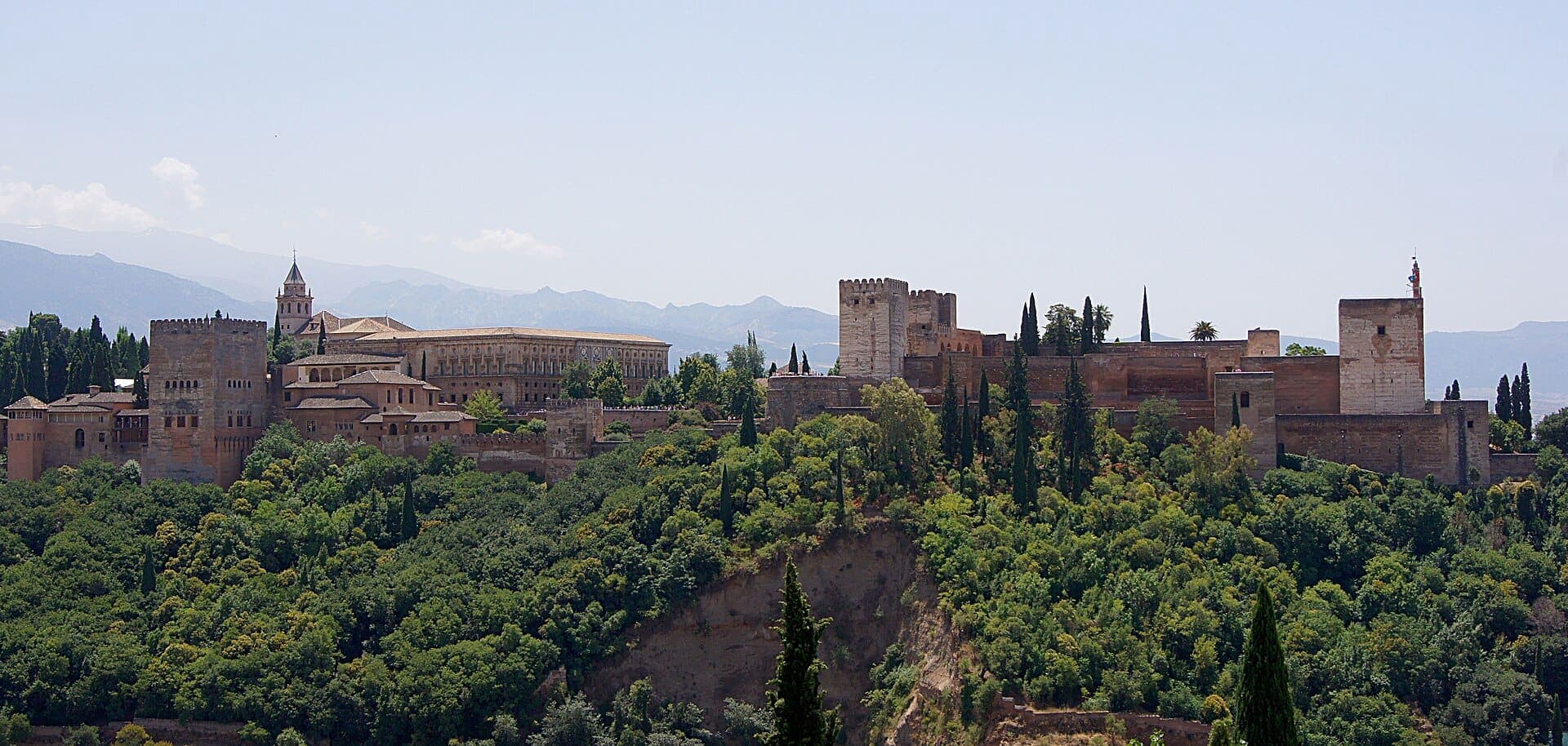
Granada: the Alhambra and the old Jewish quarter
For the Alhambra one rule applies: tickets well in advance. The rest of Granada is discovered on foot in the Realejo, the old Jewish quarter at the foot of the palace, among carmen houses, signature street art and tapas bars frequented by locals. The verified gem is the Carmen de los Mártires: a romantic garden with peacocks and views over the Vega, free and almost unknown to tourists.
Málaga: the urban stop you don't expect
From a Costa del Sol stopover to a city of art: Málaga, Picasso's birthplace, has the Atarazanas market, fish stalls and bars inside an ancient Moorish arch with a monumental stained-glass window, and the Soho district, the 'barrio de las artes' covered in signature murals between the center and the port.
Nerja: the seaside finale
An hour east of Málaga (the last stretch is by road: Nerja has no train station), Nerja closes the itinerary with white cliffs, a prehistoric cave and the best gem on the coast: Playa de Maro, a secluded cove below the village of the same name with turquoise waters, among the area's best spots for snorkeling. Verified mid-season budget: €60-90 a day, the lowest of the route.