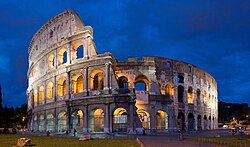
Milan, Italy
Photo: Steffen Schmitz, Wikimedia Commons (CC BY-SA 4.0)
← All destinations

Milan, Italy

Milan doesn't give itself up at once: behind the fashion windows and the marble of the Duomo hides a city of secret courtyards, misty canals and neighbourhoods that reinvent themselves each season, rewarding those who look beyond the shopping.

✓ Sources verified by hand on 2026-06-298 sources cited

What to see

Milan Cathedral (Duomo)

The Gothic cathedral that symbolizes the city, with panoramic terraces among the spires

Galleria Vittorio Emanuele II

A 19th-century glass-and-iron 'drawing room' among Europe's first shopping arcades, with historic luxury boutiques

Sforza Castle

A 15th-century fortress with civic museums and works by Michelangelo and Leonardo

✦ Hidden gems — off the standard guides

Monumental Cemetery

An open-air museum of funerary sculpture spanning eclecticism, art nouveau and the tombs of notable figures like Manzoni and Campari

Leonardo's Vineyard and Casa degli Atellani

An urban vineyard in the courtyard of a 15th-century mansion where Leonardo lived while working on the Last Supper, unknown to most tourists

Isola district

A former industrial area now regenerated with street art, indie bistros and the architecture of the Vertical Forest

Cinque Vie

A grid of medieval alleys in the old town with artisans, art galleries and discreet bars away from the Duomo crowds

Porta Genova / Naviglio Grande market

An antiques market along the Naviglio Grande, on the last Sunday of the month, frequented more by Milanese than tourists

Mondeghili

Leftover meatballs of beef, bread and parmesan, a popular dish of the Milanese tradition

Fondazione Prada

A contemporary art centre in a former distillery, with experimental architecture by Rem Koolhaas

Want an itinerary tailored to your dates in Milan?

Travel dates, where you stay and the kind of trip — we tailor this same verified dossier to your exact needs.

Coming soon
The Monumental Cemetery, an open-air museum of funerary sculpture often overlooked by classic tourist itineraries.
The Monumental Cemetery, an open-air museum of funerary sculpture often overlooked by classic tourist itineraries.Photo: Pierre André Leclercq, Wikimedia Commons (CC BY-SA 4.0)

Before you go

Recurring scams and local rules worth knowing before you arrive.

⚠ Scams to know

Tourist-trap restaurants in the Duomo area with tourist menus and high cover charges

low confidence

Venues right by the square rely on quick turnover of tourist customers with pre-cooked dishes and a cover charge out of proportion to the usual €1-3 per person

How to avoid it: Walk a few hundred metres from the square, check the menu displayed outside and verify the cover charge before sitting down

Source

Ghost holiday rentals and fake online listings

low confidence

Listings with stolen or fake photos of non-existent apartments, spread on social channels and unverified platforms

How to avoid it: Book only through platforms with a verified review system (Booking, Airbnb) and avoid direct payments off-platform

Source

Unauthorized taxis or inflated fares near stations and airports

low confidence

Unauthorized drivers offer arbitrary fares to newly arrived tourists, especially at Central Station and the airports

How to avoid it: Use only official white taxis with a meter, authorized apps (e.g. ItTaxi, FreeNow) or the municipal radio-taxi numbers

Source

Counterfeit QR codes on parking meters and tourist signs

low confidence

Fake QR stickers placed over the official ones lead to phishing sites to steal payment data

How to avoid it: Always check the URL before entering payment data, prefer the official City or parking-operator apps

Source

Pickpocketing on the metro, trams and in crowded areas (Duomo, Navigli, Central Station)

low confidence

Pickpocketing is a common risk at the major Italian tourist hubs, particularly on crowded public transport

How to avoid it: Keep bags and backpacks in front of you, avoid flashing smartphones and wallets, take extra care on the metro at rush hour

Source

⚖ Laws & penalties

Area C: paid access to the old town, also active on weekends from 2026

high riskverified

Confirmed by the City's official source: a limited-traffic zone within the Cerchia dei Bastioni, active every day (including weekends from 1 January 2026) 7:30am to 7:30pm, a €7.50/day ticket for non-residents; electric vehicles, motorbikes and disabled vehicles are exempt.

Source

Ban on takeaway alcohol sales and consumption after midnight in 12 nightlife areas

medium riskverified

Municipal ordinances in force from 11 June to 2 November in areas like Navigli, Isola, Brera, Sarpi, Garibaldi and Cinque Vie: retail alcohol sales banned from 10pm, takeaway banned from midnight, outdoor seating limited from 1am on weekdays (2am on weekends).

Source

Ban on selling and serving drinks in glass or cans during nightlife hours

medium riskverified

An extended municipal measure that bans, in the nightlife areas, the sale and consumption of drinks in glass containers or cans during certain evening hours, to reduce the risk of accidents and urban decay.

Source

Area B: access restrictions for more polluting vehicles across most of the municipal area

medium riskverified

An environmental restricted zone much larger than Area C: it covers about 72% of the municipal area and is active on weekdays (Mon-Fri) 7:30am to 7:30pm. From 1 October 2025 a total stop applies to all private diesel cars (Euro 0-6) with no environmental-class exceptions; from 1 October 2026 further bans are added (two-stroke Euro 2/3 motorbikes, Euro 0-2 petrol). Check your plate and any exemptions on the City website before driving.

Source

Penalties for illegal parking on green/pedestrian areas and zones with street furniture

low risklow confidence

Tougher fines for parking on flower beds, tree roots or pedestrian areas; penalties that can reach up to €990 for the most serious or repeated cases, according to local reports on specific central streets.

Source
A boat moored along the Naviglio Grande among old brick houses, the quietest and least photographed soul of the Navigli.
A boat moored along the Naviglio Grande among old brick houses, the quietest and least photographed soul of the Navigli.Photo: Mænsard vokser, Wikimedia Commons (CC BY-SA 4.0)

Recurring events

Hover over a month on the timeline for details.

Budget & timing

Average daily cost

Season low (January (excluding Fashion Week), November)70-100€
Season mid (March, June-July, October)100-150€
Season high (April (Design Week), September (Fashion Week), December)150-220€

Rough estimate (lodging + meals + local transport), not a precise verified source.

Best time by type of trip

Design and architecture April

Design Week turns the city into an open-air museum, though hotels and restaurants are much pricier and busier.

Culture and shopping September-October

Mild weather, Fashion Week for fashion lovers, more manageable queues at the major museums than in summer.

Budget January (after the 20th), November

Lower hotel rates outside the fashion weeks, though the weather is cold and often foggy.

Did you know... Milan's Monumental Cemetery, opened in 1866, is considered an open-air museum: it holds tombs sculpted by some of the most important Italian artists of the 19th and 20th centuries.

Getting around

Car recommended: No — The old town within the Cerchia dei Bastioni is Area C, a paid limited-traffic zone (€7.50/day ticket); from 2026 active every day of the week including weekends, 7:30am to 7:30pm, with automatic cameras.

The ATM network with 4 metro lines, historic trams and buses; a single ticket valid for 90 minutes, with carnets and day passes available; contactless payment active at gates and on surface transport.

  • Buy the ATM day ticket if you expect more than 3-4 trips a day
  • Avoid renting a car if you stay in the centre: Area C is also active on weekends from 2026 with automatic camera fines
  • The orange historic trams (line 1) are a cheap way to do a first sightseeing loop of the centre
  • The red M1 and yellow M3 metro lines directly connect the Duomo, Sforza Castle and Central Station

Safety

  • The old town, the Navigli and the main tourist areas are generally safe even in the evening if you take normal precautions
  • Watch your bags and backpacks on crowded metros and trams, especially at rush hour
  • Avoid flashing valuables in the street in less-lit or isolated areas at night

Sources

Every source below was opened and checked by hand — not just cited. Entries that didn't hold up were downgraded to "low confidence" or dropped, not presented as certain.