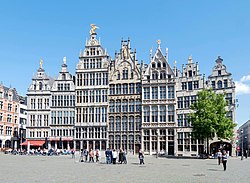
Ghent, Belgium
Photo: Martinvl, Wikimedia Commons (CC BY-SA 4.0)
← All destinations

Ghent, Belgium

Between Bruges and Brussels, Ghent is the Flemish city the Belgians keep for themselves: an authentic, lived-in medieval centre, not embalmed for tourists. A moated counts' castle on the water, a cathedral holding one of the absolute masterpieces of European painting, canals lined with guild houses and a studenty soul that keeps it alive late. Here you eat waterzooi and stoofvlees, drink abbey beer in centuries-old cafés and discover that the truest Venice of the North, perhaps, isn't the one you thought.

✓ Sources verified by hand on 2026-06-296 sources cited

What to see

Gravensteen (Castle of the Counts)

The medieval 1180 castle with moat, walls and towers: residence of the counts of Flanders until 1353, then a prison and mint, today a museum you can also visit along the ramparts with a view over Ghent's rooftops.

St Bavo's Cathedral and the Adoration of the Mystic Lamb

The Gothic cathedral holds Van Eyck's Ghent Altarpiece (1432), a milestone of European oil painting; the work is now visitable in the new visitor centre (some panels are temporarily replaced by reproductions during the restoration, due to conclude in spring 2027).

Graslei and Korenlei

The two quays facing the Lys, the heart of Ghent's old grain harbour since the Middle Ages: an unbroken row of restored guild houses, the most photographed view in the city, magical at sunset and lit up at night.

Belfort (Ghent's belfry)

The 91 metres of Belgium's highest belfry, a UNESCO site, with a carillon of 54 bells and a view over the old town from the top, reachable by lift too.

Vrijdagmarkt

The Friday market square, alive since 1199, dominated by the statue of Jacob van Artevelde: here new counts were proclaimed and sentences carried out, today it's surrounded by historic houses, bars and breweries.

✦ Hidden gems — off the standard guides

Patershol

The medieval quarter behind the Gravensteen, a maze of cobbled lanes with low 17th-century houses: today the city's gastronomic heart, with restaurants and bars hidden among the facades, away from the bulk of the tourist flow.

Werregarenstraatje (the graffiti alley)

A 120-metre alley between Hoogpoort and Onderstraat left free to writers since 1995: walls, windows and shutters are a gallery that changes every week, the only rule being to respect the work of those who came before.

STAM and Design Museum Gent

The city museum in the former Bijloke abbey tells a thousand years of Ghent's history with multimedia, while the central Design Museum sets historic and contemporary furnishings side by side: two less-frequented but quality stops.

Overpoort by night

The street of student venues near the university: the youngest, loudest Ghent, perfect for an evening of craft beers off the tourist circuit, but to be enjoyed with the usual care among the weekend's drunken crowds.

Want an itinerary tailored to your dates in Ghent?

Travel dates, where you stay and the kind of trip — we tailor this same verified dossier to your exact needs.

Coming soon
The Gravensteen, the 1180 Castle of the Counts, with its battlemented walls and moat: residence of the counts of Flanders until 1353, today also visitable along the ramparts with a view over the old town.
The Gravensteen, the 1180 Castle of the Counts, with its battlemented walls and moat: residence of the counts of Flanders until 1353, today also visitable along the ramparts with a view over the old town.Photo: Trougnouf (Benoit Brummer), Wikimedia Commons (CC BY 4.0)

Before you go

Recurring scams and local rules worth knowing before you arrive.

⚠ Scams to know

Buying attraction tickets from unofficial resellers

low confidence

As in other Belgian tourist cities, unauthorized resellers can appear around the most visited monuments, selling entries at inflated prices or invalid tickets.

How to avoid it: Always buy tickets for the Gravensteen, Belfort and St Bavo's Cathedral on the official sites or at the box offices on site.

Source

Pickpocketing in crowded areas and at the station

low confidence

The main risk for tourists in Ghent is petty pickpocketing in crowded places: tram and bus stops, Gent-Sint-Pieters station, shopping streets and especially during the July Gentse Feesten.

How to avoid it: Keep bags and backpacks closed and in sight in crowds, don't leave luggage unattended at the station, take particular care during the July festival.

Source

The Overpoort area and around Gent-Dampoort station at night

low confidence

Overpoort is the student nightlife street: on weekends the drunken crowds can enable petty thefts and fights; the area around Gent-Dampoort station is described as rougher after dark.

How to avoid it: Enjoy Overpoort with the usual nightlife caution (watch your glass and wallet), and avoid isolated streets near Gent-Dampoort in the small hours, preferring taxis or public transport.

Source

⚖ Laws & penalties

Cycling banned in the pedestrian streets at certain hours

low riskverified

Between 11am and 6pm the pedestrian streets of the centre (Mageleinstraat, Kalandestraat-Koestraat, Donkersteeg, Langemunt, and the Graslei in summer) are reserved for pedestrians: no cars, taxis or bikes (unless walked). Cameras with plate reading and officers check, a €55 fine.

Source

Low emission zone for cars in the centre

medium riskverified

The old town within the ring road is a low emission zone: the most polluting vehicles can't enter, and visitors with a non-Belgian/Dutch plate must register online (lez.stad.gent), or risk a camera-detected fine.

Source

De Lijn ticket to be activated before boarding

low riskverified

The digital ticket must be activated in the app or site before boarding (then valid 60 minutes across the network); those travelling without a valid ticket risk a penalty from inspectors.

Source

Drinking alcohol in public spaces restricted at night

low riskmedium confidence

The City of Ghent has introduced, by police regulation, a ban on drinking alcohol in public spaces from 8pm to 6am across the whole municipal area, with a further ban on glass containers in the nightlife zones like Overpoortstraat; the rules apply to tourists too.

Source
St Bavo's Cathedral, which holds the Adoration of the Mystic Lamb by Hubert and Jan van Eyck (1432): eighteen panels considered a milestone of European oil painting, among the most-stolen artworks in history.
St Bavo's Cathedral, which holds the Adoration of the Mystic Lamb by Hubert and Jan van Eyck (1432): eighteen panels considered a milestone of European oil painting, among the most-stolen artworks in history.Photo: Mylius, Wikimedia Commons (CC BY-SA 3.0)

Recurring events

Hover over a month on the timeline for details.

Budget & timing

Average daily cost

Season low (January-March, November)75-110€
Season mid (April-June, September-October)110-160€
Season high (July (Gentse Feesten), August, December (market))160-230€

Rough estimate (lodging + meals + local transport), not a precise verified source.

Best time by type of trip

Gentse Feesten July

Ten days of free festival that transforms the city: the most alive and identity-defining Ghent experience, but a full centre and accommodation to book months ahead.

Spring and early autumn April-June, September-October

Drier weather, canals and historic quarters enjoyable without the July-August crowds, a good balance of prices and crowds.

Christmas atmosphere December

A market between Sint-Baafsplein and Korenmarkt, a Ferris wheel and an ice rink: a lit-up, cosy city, but very crowded weekends and cold, damp weather.

Did you know... Ghent's Belfort, 91 metres tall, is the highest belfry in Belgium and part of the Belfries of Belgium and France, a UNESCO site since 1999; at the top a carillon of 54 bells, partly cast by the famous Hemony founders in the 17th century.

Getting around

Car recommended: No — Ghent's old town is largely pedestrian or a heavily traffic-restricted zone (the 2017 circulation plan) and since 2020 is covered by a low emission zone: the most polluting vehicles can't enter and non-resident cars without a Belgian or Dutch plate must register online, or risk a fine. It's best to arrive by train or leave the car at a free Park & Ride on the city's edge, well connected to the centre by tram and bus.

The De Lijn network (bus and tram): a single ticket costs €3 bought in the app/site/SMS or on board via contactless, valid 60 minutes across the whole network (plus the time to complete the trip in case of contactless payment on board). The old town is nearly all done on foot or by bike anyway.

  • The centre is visited on foot: from Gent-Sint-Pieters station to the Belfort is about 25-30 minutes on foot, or a few minutes by tram (line 1)
  • Activate the De Lijn ticket in the app before boarding: on board you pay the same but only via contactless, not cash on all lines
  • In the pedestrian streets of the centre (Mageleinstraat, Donkersteeg, Graslei in summer) cycling is banned between 11am and 6pm: the fine for those stopped is €55
  • If you arrive by car, check in advance on lez.stad.gent whether your vehicle can enter the low emission zone: a free Park & Ride on the city's edge is best anyway

Safety

  • Ghent has a good safety level: the main risk is petty pickpocketing in crowded areas and at the station, not violent crime
  • At Overpoort, the student nightlife street, weekend drunken crowds can cause confusion: keep an eye on your bag and glass
  • The old town, the Patershol and the Gravensteen area are alive and busy all day: safe zones even for solo travellers
  • Take extra care during the July Gentse Feesten, when the crowds (and thus the pickpocketing risk) rise sharply

Did you know... Every July the city transforms for the Gentse Feesten, ten days of concerts, street theatre and markets almost all free: one of the largest popular festivals in Europe and intangible heritage of Flanders.

Sources

Every source below was opened and checked by hand — not just cited. Entries that didn't hold up were downgraded to "low confidence" or dropped, not presented as certain.