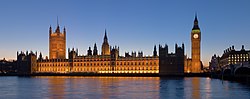
Dublin, Ireland
Photo: Gordon Leggett, Wikimedia Commons (CC BY-SA 4.0)
← All destinations

Dublin, Ireland

Dublin isn't visited in a rush, it's sipped slowly like a well-poured pint: a city of writers and rebels, where every pub has a story to tell and the Liffey flows indifferent between Georgian houses and tech towers, reminding everyone that here literature and revolt count for more than marketing.

✓ Sources verified by hand on 26 August 20268 sources cited

What to see

Monuments1

Ha'penny Bridge

Dublin's most photographed iron pedestrian bridge, the city's symbol on the River Liffey

Museums2

Trinity College and the Book of Kells

Ireland's most famous medieval illuminated manuscript, kept in the library's historic Long Room Timed-entry tickets are compulsory, from about €21.50 for self-guided admission (Long Room and digital exhibition included) up to €25 in the busiest slots: it sells out weeks ahead in summer, so book at visittrinity.ie as soon as you have your dates.

Dublin Castle and Chester Beatty Library

A historic castle with a free-entry collection of manuscripts and Islamic, Asian and European art

Food2

Guinness Storehouse

Seven floors dedicated to the history of Ireland's signature beer, with a panoramic city view from the Gravity Bar It uses dynamic pricing: adult tickets swing between €26 and €36 depending on the day and time slot (around €30 on average), with discounts for over-64s and students and free entry under 5. Buying online in advance, and avoiding midday at the weekend, is the difference between the bottom and the top of that range.

Irish stew, fish and chips and soda bread

The lamb or beef stew with potatoes, the battered fried fish served in historic chippers and the quick buttermilk bread are the three pillars of everyday Irish cooking

Nightlife1

Temple Bar

The district of pubs and live music, the heart of Dublin's tourist nightlife

✦ Hidden gems — off the standard guides

Iveagh Gardens

Dublin's 'secret garden' hidden behind the National Concert Hall, with a yew maze and waterfalls, steps from St Stephen's Green but almost always empty

Drimnagh Castle

The only medieval castle with an intact moat still in Ireland, 45 minutes from the centre by public transport, almost unknown to tourists

Marsh's Library

Ireland's oldest public library (1707), next to St Patrick's Cathedral, with wooden shelves and old anti-theft 'reading cages'

Dublin Tenement Museum (14 Henrietta Street)

A Georgian house turned tenement until the 1970s, telling the social history of poor Dublin far from the tourist postcards

Sample itineraries

Three routes for different travel styles, built only from this dossier's verified places. Realistic pace: 2-3 stops a day.

First time

2 days

The landmark sights, at the right pace.

Day 1

  • Ha'penny Bridge

    Dublin's most photographed iron pedestrian bridge, the city's symbol on the River Liffey

  • Trinity College and the Book of Kells

    Ireland's most famous medieval illuminated manuscript, kept in the library's historic Long Room Timed-entry tickets are compulsory, from about €21.50 for self-guided admission (Long Room and digital exhibition included) up to €25 in the busiest slots: it sells out weeks ahead in summer, so book at visittrinity.ie as soon as you have your dates.

  • Dublin Castle and Chester Beatty Library

    A historic castle with a free-entry collection of manuscripts and Islamic, Asian and European art

Day 2

  • Guinness Storehouse

    Seven floors dedicated to the history of Ireland's signature beer, with a panoramic city view from the Gravity Bar It uses dynamic pricing: adult tickets swing between €26 and €36 depending on the day and time slot (around €30 on average), with discounts for over-64s and students and free entry under 5. Buying online in advance, and avoiding midday at the weekend, is the difference between the bottom and the top of that range.

  • Temple Bar

    The district of pubs and live music, the heart of Dublin's tourist nightlife

  • Irish stew, fish and chips and soda bread

    The lamb or beef stew with potatoes, the battered fried fish served in historic chippers and the quick buttermilk bread are the three pillars of everyday Irish cooking

Off the beaten path

2 days

Hidden gems away from the usual circuits.

Day 1

  • Iveagh Gardenshidden gem

    Dublin's 'secret garden' hidden behind the National Concert Hall, with a yew maze and waterfalls, steps from St Stephen's Green but almost always empty

  • Drimnagh Castlehidden gem

    The only medieval castle with an intact moat still in Ireland, 45 minutes from the centre by public transport, almost unknown to tourists

Day 2

  • Marsh's Libraryhidden gem

    Ireland's oldest public library (1707), next to St Patrick's Cathedral, with wooden shelves and old anti-theft 'reading cages'

  • Dublin Tenement Museum (14 Henrietta Street)hidden gem

    A Georgian house turned tenement until the 1970s, telling the social history of poor Dublin far from the tourist postcards

Food & markets

1 days

Eat and drink where locals actually go.

Day 1

  • Guinness Storehouse

    Seven floors dedicated to the history of Ireland's signature beer, with a panoramic city view from the Gravity Bar It uses dynamic pricing: adult tickets swing between €26 and €36 depending on the day and time slot (around €30 on average), with discounts for over-64s and students and free entry under 5. Buying online in advance, and avoiding midday at the weekend, is the difference between the bottom and the top of that range.

  • Irish stew, fish and chips and soda bread

    The lamb or beef stew with potatoes, the battered fried fish served in historic chippers and the quick buttermilk bread are the three pillars of everyday Irish cooking

  • Temple Bar

    The district of pubs and live music, the heart of Dublin's tourist nightlife

🧭

Build your itinerary

Tell us how many days you're staying and in which month: we'll compose an itinerary from this dossier's verified places, with notes about the period.

Your itinerary

1

Day 1

  • Ha'penny Bridge

    Dublin's most photographed iron pedestrian bridge, the city's symbol on the River Liffey

  • Trinity College and the Book of Kells

    Ireland's most famous medieval illuminated manuscript, kept in the library's historic Long Room Timed-entry tickets are compulsory, from about €21.50 for self-guided admission (Long Room and digital exhibition included) up to €25 in the busiest slots: it sells out weeks ahead in summer, so book at visittrinity.ie as soon as you have your dates.

  • Guinness Storehouse

    Seven floors dedicated to the history of Ireland's signature beer, with a panoramic city view from the Gravity Bar It uses dynamic pricing: adult tickets swing between €26 and €36 depending on the day and time slot (around €30 on average), with discounts for over-64s and students and free entry under 5. Buying online in advance, and avoiding midday at the weekend, is the difference between the bottom and the top of that range.

2

Day 2

  • Dublin Castle and Chester Beatty Library

    A historic castle with a free-entry collection of manuscripts and Islamic, Asian and European art

  • Iveagh Gardenshidden gem

    Dublin's 'secret garden' hidden behind the National Concert Hall, with a yew maze and waterfalls, steps from St Stephen's Green but almost always empty

  • Temple Bar

    The district of pubs and live music, the heart of Dublin's tourist nightlife

3

Day 3

  • Drimnagh Castlehidden gem

    The only medieval castle with an intact moat still in Ireland, 45 minutes from the centre by public transport, almost unknown to tourists

  • Marsh's Libraryhidden gem

    Ireland's oldest public library (1707), next to St Patrick's Cathedral, with wooden shelves and old anti-theft 'reading cages'

  • Irish stew, fish and chips and soda bread

    The lamb or beef stew with potatoes, the battered fried fish served in historic chippers and the quick buttermilk bread are the three pillars of everyday Irish cooking

Want an itinerary tailored to your dates in Dublin?

Travel dates, where you stay and the kind of trip — we tailor this same verified dossier to your exact needs.

Coming soon
The hidden waterfall in the Iveagh Gardens, Dublin's 'secret garden' a short walk from St Stephen's Green yet almost always empty.
The hidden waterfall in the Iveagh Gardens, Dublin's 'secret garden' a short walk from St Stephen's Green yet almost always empty.Photo: William Murphy from Dublin, Ireland, Wikimedia Commons (CC BY-SA 2.0)

Before you go

Recurring scams and local rules worth knowing before you arrive.

⚠ Scams to know

Tourist pubs with unposted prices in Temple Bar

verified

Temple Bar pubs charge well above the Irish average and don't always display prices legibly. In 2026 several venues in the area pushed past €10 for a pint of stout, peaking around €11, against a national average of roughly €5.60: that means paying double for the same beer ten minutes' walk away.

How to avoid it: Ask the price before ordering, or check the list displayed at the bar. Drinking like a Dubliner takes only a short walk: the streets around Camden Street, Capel Street and Stoneybatter have pubs used by locals at normal prices.

Source

Unauthorized taxis and 'flat rate' fares from the airport

verified

Irish taxi fares are set by the National Transport Authority and must be calculated by the meter, which every vehicle is required to have. There is no authorised flat fare from the airport into the city: anyone quoting a round number verbally and refusing to switch the meter on is operating illegally. Outside the late-night venues on Leeson Street and Camden Street there are also unlicensed drivers touting as taxis.

How to avoid it: Take taxis from the official airport ranks or book through an app such as Free Now, and insist the meter is running. Note the licence number displayed in the car: you need it to complain to the NTA.

Source

Phone theft and pickpocketing on busy streets

medium confidence

Smartphone snatching on Grafton Street and at Luas stops is described as one of the most common crimes against tourists, often carried out by cyclists in seconds

How to avoid it: Keep your phone in inner pockets or closed bags, avoid holding it near busy roads where bikes can pass

Source

Rickshaws with no agreed fare and no insurance

verified

The rickshaws working between Temple Bar and St Stephen's Green are not a regulated transport service: Irish law treats them as bicycles, so they have no set fares and no obligation to carry public liability insurance for the passenger. Complaints about short rides charged at wildly disproportionate prices are recurrent, and in a collision there is no cover to fall back on.

How to avoid it: If you do want to ride one, agree the exact amount before setting off and treat it as an attraction, not as transport. To actually get somewhere use the Luas, a bus, or a metered taxi.

Source

Card cloning at ATMs on O'Connell Street

medium confidence

Skimming devices have been reported on some ATMs on the main street; a 'kind passer-by' may also offer to help at a malfunctioning ATM to spy on your PIN

How to avoid it: Prefer ATMs inside banks or in well-lit, monitored areas, and always cover the keypad while entering your PIN

Source

⚖ Laws & penalties

Ban on drinking alcohol in public spaces in the Dublin City Council area

medium riskverified

Dublin City Council bylaws ban drinking alcohol in the city's public spaces, parks and beaches included. Anyone who doesn't stop and move on when asked by the Gardaí gets an on-the-spot €75 fine, and refusing to leave the area or giving false details risks up to €1,900 if the case reaches the District Court. The Gardaí can confiscate alcohol from adults and minors alike. In practice: a can in the park or on Howth pier is out, the pub is the norm.

Source

Ban on flying drones without a permit over Phoenix Park and monumental sites managed by the Office of Public Works

high riskverified

The official RTÉ source confirms fines for breaches of the drone rules (e.g. flying in banned zones or above the limits): up to €5,000 or six months in prison on summary conviction, up to €500,000 or three years in prison on indictment. Note: a secondary source indicated a generic 'from €500' fine, but the source verified via WebFetch reports higher, precise amounts, so the figure confirmed by RTÉ is used.

Source

Requirement to register a drone with the Irish Aviation Authority

medium riskverified

Anyone owning a drone over 250 grams or with a camera must register online as an operator with the IAA and complete a short training course; minimum age 16, with mandatory identification on the drone.

Source

Minimum age for drinking alcohol set at 18

medium risklow confidence

As in the rest of Ireland, selling and drinking alcohol is prohibited under 18 and venues may ask for ID even from people who are clearly older. The rule is consistent with national law, but we could not confirm it on a single official page.

Source

General ban on rough sleeping and disturbing public order in city parks and beaches

low riskverified

Dublin City Council's new bylaws, in force from 1 September, explicitly aim to let 'law-abiding citizens' reclaim parks and beaches from antisocial alcohol-related behaviour; no penalties distinct from those on alcohol consumption itself are specified, however.

Source
A steaming bowl of Irish stew, the beef, potato and carrot dish that is Ireland's best-loved everyday food.
A steaming bowl of Irish stew, the beef, potato and carrot dish that is Ireland's best-loved everyday food.Photo: charles Haynes, Wikimedia Commons (CC BY-SA 2.0)

Recurring events

Hover over a month on the timeline for details.

Budget & timing

Average daily cost

Season low (January-February, November)55-80€
Season mid (March-May, September-October)80-120€
Season high (June-August, December (including the St Patrick's Festival period in March))120-180€

Rough estimate (lodging + meals + local transport), not a precise verified source.

Best time by type of trip

Culture and festivals March

The St Patrick's Festival turns the city into a celebration of music, parades and Irish culture, though with crowds and higher prices.

Weather and outdoor walks May-September

The longer, milder days make for pleasant walks along the Liffey, in the parks and around the coast at Howth or Dun Laoghaire.

Budget and authentic atmosphere January-February, November

Lower hotel rates and fewer tourists in the pubs and museums, though the weather is cold and rainy and the days short.

Did you know... The Ha'penny Bridge, the city's symbol on the River Liffey, owes its name to the half-penny toll paid to cross it until 1919.

Getting around

Car recommended: No — Central Dublin is compact and pedestrian, with heavy traffic, expensive parking and several one-way streets; public transport and walking are more efficient for tourists.

An integrated TFI network of Dublin Bus, Luas (light rail, Red and Green lines), DART (coastal train) and commuter rail; you pay with a top-up Leap Card or a Leap Visitor Card for tourists. One airport detail almost every guide still gets wrong: the Airlink Express 747, the long-standing airport-to-centre bus, is suspended. The alternatives are the ordinary city buses 16 and 41 (€2 with Leap, €2.60 cash, stopping on O'Connell Street) or the Aircoach and Dublin Express coaches, around €8-9 but non-stop and with luggage holds. The airport coaches are NOT covered by the Leap Visitor Card.

  • The Leap Visitor Card costs €8 for 24 hours, €18 for 72 hours or €24 for 168 hours of unlimited travel on Dublin Bus, Go-Ahead, Luas and DART/Commuter within the Short Hop Zone, with no deposit; the clock starts on first use, not at purchase
  • With the regular Leap Card the 90-minute urban fare costs €2 for adults, with an automatic daily cap on combined transport
  • Watch out for pickpocketing and phone theft on the Luas and on busy central streets like Grafton Street
  • On foot you can easily reach Trinity College, Temple Bar, Dublin Castle and Grafton Street: the old town is small

Safety

  • The safety advisory level for Ireland per the US State Department is Level 1, 'Exercise normal precautions'
  • Avoid walking alone after dark, especially in quiet areas
  • Take particular care with pickpocketing and phone theft in crowded tourist areas like Grafton Street and Temple Bar
  • Don't carry large amounts of cash and keep documents and cards in inner pockets or anti-theft bags
  • Note: the specific US embassy alert cited as a source wasn't reachable correctly at the time of verification (page with unreadable technical content); the general advice reported comes from aggregated research on the most recent advisory levels, not a confirmed direct reading of a single alert.

Sources

Every source below was opened and checked by hand — not just cited. Entries that didn't hold up were downgraded to "low confidence" or dropped, not presented as certain.

Related destinations

Other dossiers close by country, area or kind of trip.