Brussels, Belgium
Photo: Diego Delso, Wikimedia Commons (CC BY-SA 4.0)
← All destinations

Brussels, Belgium

Brussels can't be reduced to the Grand Place, the Atomium and Manneken Pis: it's a bilingual, slightly surreal capital where comics become monumental murals, Trappist beer bars stay open late and every district speaks a different dialect of the same city.

✓ Sources verified by hand on 2026-06-298 sources cited

What to see

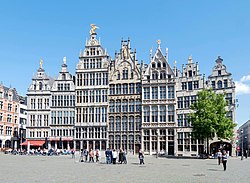
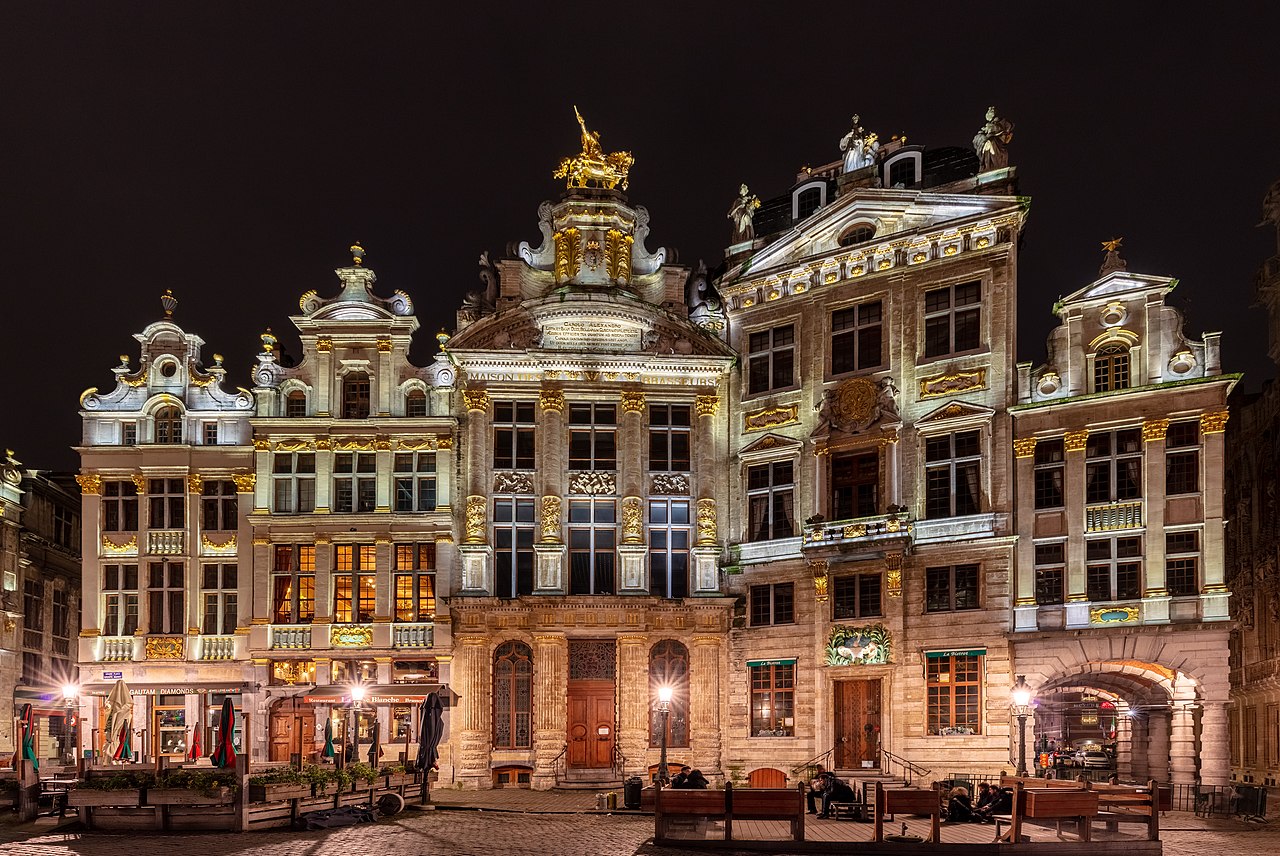
Grand Place / Grote Markt

The baroque UNESCO square with the Gothic Hôtel de Ville and the guild houses, the city's monumental heart

Atomium

A landmark structure built for Expo 1958, an iron molecule magnified 165 billion times, with a panoramic view from the top sphere

Manneken Pis

The small 17th-century bronze statue that became one of Brussels's most photographed and ironic symbols

Cathedral of St Michael and St Gudula

A 13th-century Gothic cathedral where Belgian royal ceremonies are held, with Renaissance stained glass

✦ Hidden gems — off the standard guides

Comic Strip Route

Dozens of murals of Tintin, The Smurfs, Lucky Luke and other Belgian comics painted on blind walls across the centre, free and walkable

The Marolles district

A daily flea market in Place du Jeu de Balle, antiques, curiosities and working-class street food off the tourist circuit

Horta Museum (Maison Horta)

The house-studio of architect Victor Horta, an Art Nouveau masterpiece with almost-intact original interiors

Musical Instruments Museum (MIM)

A collection of historic musical instruments in an Art Nouveau building, with a free panoramic view from the rooftop bar

Jeanneke Pis and Zinneke Pis

Manneken Pis's little siblings, a female statue in an alley near the Delirium Café and a dog statuette, ironic and almost unknown to rushed tourists

Galeries Royales Saint-Hubert

A covered shopping arcade from 1847, one of the oldest in Europe, with historic boutiques under a glass-and-iron roof

Cinquantenaire / Parc du Cinquantenaire

A large park with a monumental arch and military and car museums, used mostly by Brussels residents for jogging and picnics

Want an itinerary tailored to your dates in Brussels?

Travel dates, where you stay and the kind of trip — we tailor this same verified dossier to your exact needs.

Coming soon
The Atomium, built for the 1958 World's Fair, represents an elementary iron cell magnified 165 billion times and is today the city's most recognizable architectural symbol.
The Atomium, built for the 1958 World's Fair, represents an elementary iron cell magnified 165 billion times and is today the city's most recognizable architectural symbol.Photo: Diego Delso, Wikimedia Commons (CC BY-SA 4.0)

Before you go

Recurring scams and local rules worth knowing before you arrive.

⚠ Scams to know

Forced friendship bracelet

low confidence

People, especially near the Grand Place and Manneken Pis, offer to tie a 'free' bracelet on your wrist and then insistently demand payment

How to avoid it: Don't let anyone touch your wrist in the street, walk away firmly without stopping to talk

Source

Fake charity petition

low confidence

Self-styled fundraisers for charities (e.g. deaf associations) ask you to sign a petition in tourist areas and then push for a donation, sometimes using the distraction to pickpocket

How to avoid it: Don't stop or sign anything offered by strangers in the street, keep going without engaging

Source

Pickpocketing in tourist areas and on public transport

low confidence

The Grand Place, Manneken Pis and Gare Centrale are flagged as pickpocket hotspots, especially on crowded trams and the metro

How to avoid it: Keep bags and backpacks closed and in front of you, avoid using your phone distractedly in crowded streets

Source

Altered amount when paying by card reader in some venues

low confidence

In some bars and restaurants in the more touristy areas there's a reported risk of inflated amounts or ones not matching the bill when paying by card

How to avoid it: Always check the receipt and the amount on the card terminal before confirming payment

Source

⚖ Laws & penalties

Low Emission Zone (LEZ) across the whole Brussels-Capital region

high riskverified

From 1 January 2026, diesel vehicles below Euro 5 and petrol below Euro 2 are banned across all 19 municipalities of the region (within the Ring). ANPR cameras operate 24/7/365 with no exceptions for short trips. A fine of €150 for a first offence, €250 for the second, €350 or more for subsequent repeats; a free mandatory registration on lez.brussels is also required even for compliant foreign vehicles.

Source

Ban on drinking alcohol in public spaces in the city centre

medium riskverified

In a large area of central Brussels, drinking alcohol in public spaces is banned 24 hours a day, except licensed terraces or city-authorized events. The rule stays in force until 6 October 2026. A municipal administrative fine of up to €500.

Source

Ban on evening alcohol consumption in some Ixelles squares

low risklow confidence

Since 2025 the municipality of Ixelles has introduced a ban on drinking alcohol after 10pm in some busy squares such as Place du Châtelain and Place du Luxembourg, to curb nighttime disturbance; the exact municipal fine could not be found with certainty in the consulted source.

Source

Valid, validated ticket required on STIB/MIVB transport

medium riskverified

Checks on trams, buses and the metro are frequent. If you have a valid pass but haven't validated it, the penalty is €10 (if paid within 10 working days, otherwise rising to €107); anyone travelling without any valid ticket receives the full, higher penalty instead. Always validate at the start of the trip.

Source
One of the Comic Strip Route murals, dedicated to Edgar P. Jacobs's comic Blake and Mortimer, painted on a blind wall in central Brussels.
One of the Comic Strip Route murals, dedicated to Edgar P. Jacobs's comic Blake and Mortimer, painted on a blind wall in central Brussels.Photo: Ferran Cornellà, Wikimedia Commons (CC BY-SA 3.0)

Recurring events

Hover over a month on the timeline for details.

Budget & timing

Average daily cost

Season low (January-February, November)65-90€
Season mid (March-April, September-October)90-130€
Season high (May-August, December)130-190€

Rough estimate (lodging + meals + local transport), not a precise verified source.

Best time by type of trip

Culture and monuments May-June, September

Mild weather, long days and the Fête de l'Iris in early May brings the city to life with free events, before the summer heat and the peak tourist influx.

Nightlife and events July

Ommegang on the Grand Place early in the month and a festival vibe with Tomorrowland nearby, with breweries and historic venues full late into summer evenings.

Budget January-February

Lower hotel rates and a less crowded city, though the weather is cold, often rainy and with little daylight.

Did you know... From 1 January 2026 Brussels's Low Emission Zone also bans Euro 5 diesel and Euro 2 petrol vehicles across all 19 municipalities of the region, with ANPR cameras active 24 hours a day.

Getting around

Car recommended: No — From 1 January 2026 Brussels's Low Emission Zone (LEZ) bans, across all 19 municipalities of the region, diesel vehicles below the Euro 5 standard and petrol below Euro 2, with ANPR cameras active 24/7 and fines from €150 (first offence) up to €350 for repeat offences; a free registration on lez.brussels is also mandatory even for compliant vehicles. Heavy traffic and scarce parking in the old town make a car inadvisable for tourists anyway.

The STIB/MIVB network of metro, tram and bus is dense across the whole region. With contactless payment (card or smartphone) a single trip costs €2.40, with free changes within 60 minutes of the first validation and a daily cap of €8.50. Via the app the Brupass packages are available (1 trip €2.70, 10 trips €18.90) and Brupass XL, which also includes SNCB trains and regional TEC/De Lijn buses.

  • Use a contactless card or the STIB app instead of paper tickets: the €8.50 daily cap is almost always better than multiple single tickets
  • The metro is the handiest way to the Atomium (line 6) and the European Quarter (line 1/5, Schuman station)
  • Don't leave your car in the old town: the LEZ and scarce parking make public transport far more convenient
  • Always validate your ticket at the start of the trip: STIB checks are frequent especially on trams and the metro

Safety

  • Pickpocketing remains the main risk for tourists, especially on trams and the metro at rush hour and in the busiest stations (Gare Centrale, Gare du Midi, Gare du Nord, Schuman)
  • Keep documents and cash split across several pockets or in an anti-theft pouch in crowded areas
  • Be wary of anyone approaching with insistent offers like bracelets, petitions or objects 'found in the street'

Sources

Every source below was opened and checked by hand — not just cited. Entries that didn't hold up were downgraded to "low confidence" or dropped, not presented as certain.