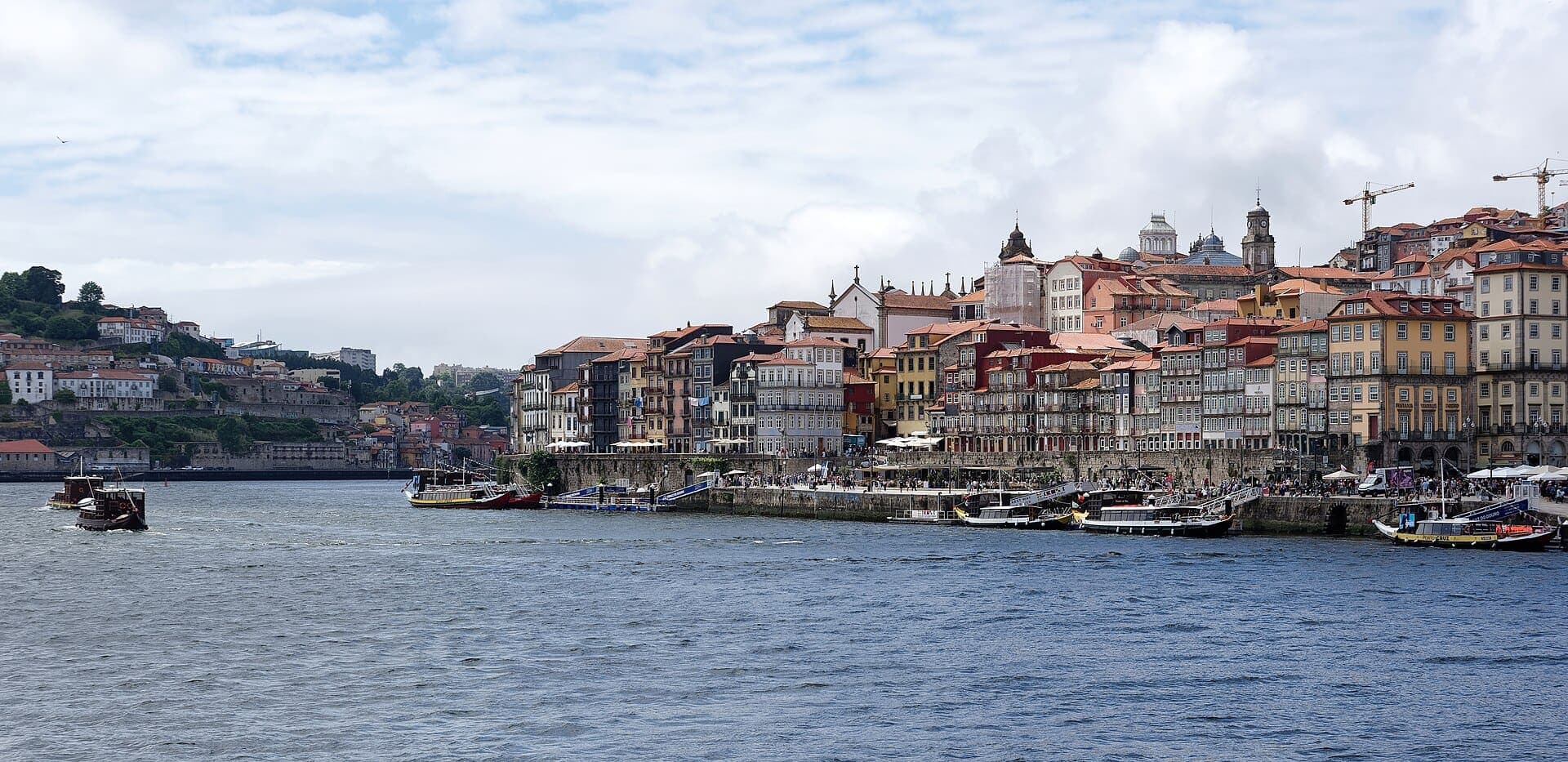
Two accommodations identical in price and reviews can produce completely different trips depending on the area: one lets you walk back after dinner, the other forces you to plan every return. Yet the neighborhood is often chosen by elimination, looking only at the price.
The three criteria that really matter
Before the stars and the photos, assess the location on these three axes:
- Walkability: the center (or a reliable metro stop) no more than 10-15 minutes away; every extra transfer is travel time lost
- Noise: a neighborhood described as 'lively' in reviews often means music under your window until 3am; look for the reviews that talk about the nights, not the days
- Safety in the evening: not all of the city is the same after dark, and the areas to avoid are specific, not guessable from the map
The red flags in listings
Listings almost never lie, but they select very carefully what to say. 'Only 20 minutes from the center' usually means more, with the right transport and no traffic. 'Up-and-coming neighborhood' can mean authentic and interesting, or simply not yet safe at night. Photos without a single outside shot of the building or the street deserve a street-view check before booking.
The method we use in the dossiers
Every VoyAVer dossier has a safety section listing the areas to avoid (especially at night), each with a source: cross-checking it against the listing's map is the quickest, most useful check you can do before confirming. If you're traveling solo, it counts double: the area is a safety choice, not just a convenience one.
Different areas for different trips
There's no right neighborhood in absolute terms, only the right one for your trip:
- First visit and few days: as close to the historic center as possible, even at a few euros more. The time saved is worth more
- Tight budget: inner suburbs along a direct metro line, not generic outskirts; the real savings are where the connection stays convenient
- Slow pace or family: a quiet residential neighborhood with a market and local cafés, where you live the city instead of crossing it