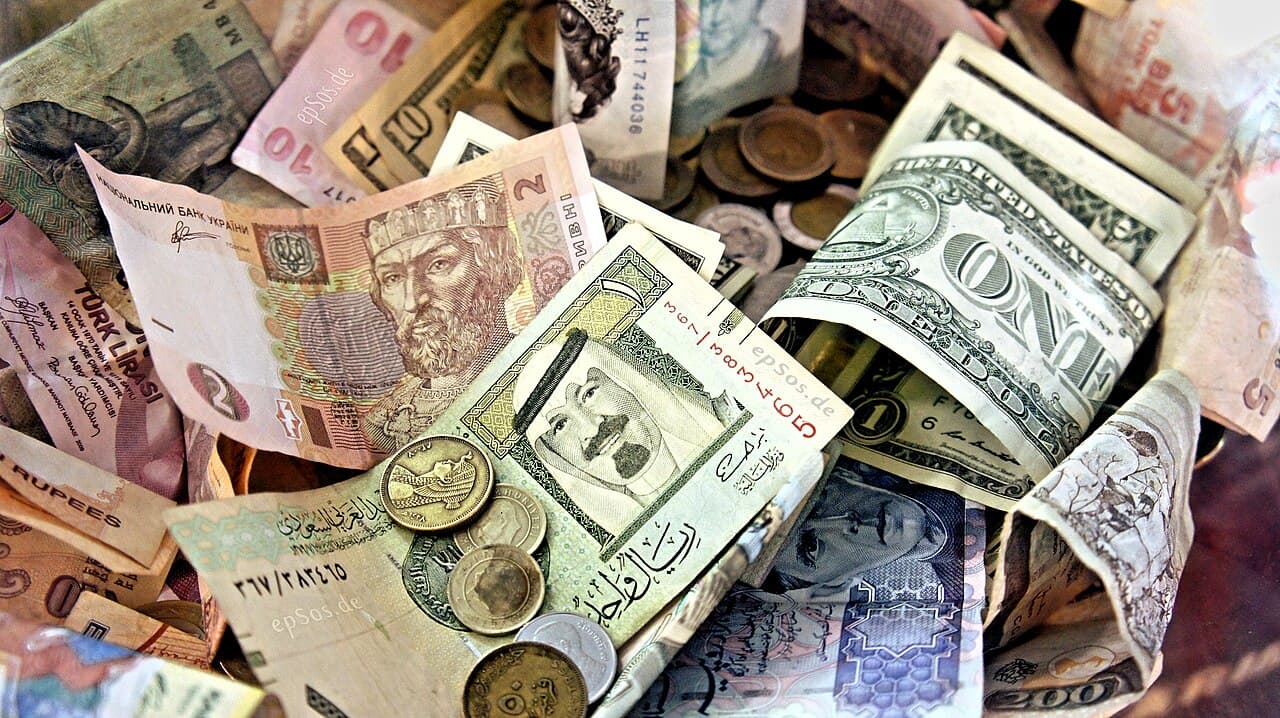
The way you handle money while traveling affects your real budget more than you'd think: between unfavorable exchange rates, ATMs with hidden costs and the classic choice between paying in euros or local currency, you can easily lose 5-10% of your budget without even noticing.
Currency exchange: avoid the 'zero commission' counters
Tourist exchange counters that advertise 'zero commission' still make money, but by hiding the margin in the exchange rate itself, which is almost always far worse than the real one. It's one of the most widespread scams least perceived as such, because technically it isn't illegal.
- Always compare the offered exchange rate with the real one (searchable online in real time)
- Prefer withdrawing from recognized local bank ATMs rather than exchanging cash
- If you can, always pay by card in the local currency, not in euros: when a card reader asks 'pay in euros or local currency', the euro conversion offered by the shop is almost always more expensive
ATMs and hidden fees
Not all ATMs are the same: some independent operators (common especially in tourist areas) charge fees of 10% to 20% on the amount withdrawn, well beyond what the country's traditional banks apply.
- Withdraw from recognized national bank ATMs, not from independent operators with flashy logos in tourist areas
- Use a card that charges no fees on foreign withdrawals, if you have one: over time the savings are significant
- Withdraw larger, less frequent amounts to reduce the number of fixed per-transaction fees
Cash vs card: the right mix
Having only cash or only card are both risks. The safest mix is to carry a small amount of cash for emergencies and local markets that don't take cards, while using a card for everything else, which also lets you quickly block any fraud.